Short pixie haircuts for fine, flat hair are designed to create lift, texture, and the illusion of fullness where it’s naturally lacking. Fine hair tends to collapse at the roots and separate at the ends, so the goal is to redistribute weight and build structure into the cut itself. A well-executed pixie removes excess length while adding strategic layers, helping the hair sit higher and look thicker. The result feels lightweight, modern, and easy to style. You get a shape that holds volume with minimal daily effort.
Why Short Pixie Haircuts for Fine Flat Hair Actually Work
These pixie cuts work because shorter lengths reduce downward pull. Fine hair no longer gets weighed down, allowing it to lift more naturally at the roots. Layering—especially at the crown—creates internal structure, which helps the hair maintain shape throughout the day.
They also maximize styling efficiency. Fine hair responds quickly to blow-drying and lightweight products, so even a small amount of effort produces visible volume and texture.
8 Short Pixie Haircuts for Fine Flat Hair That Add Fullness
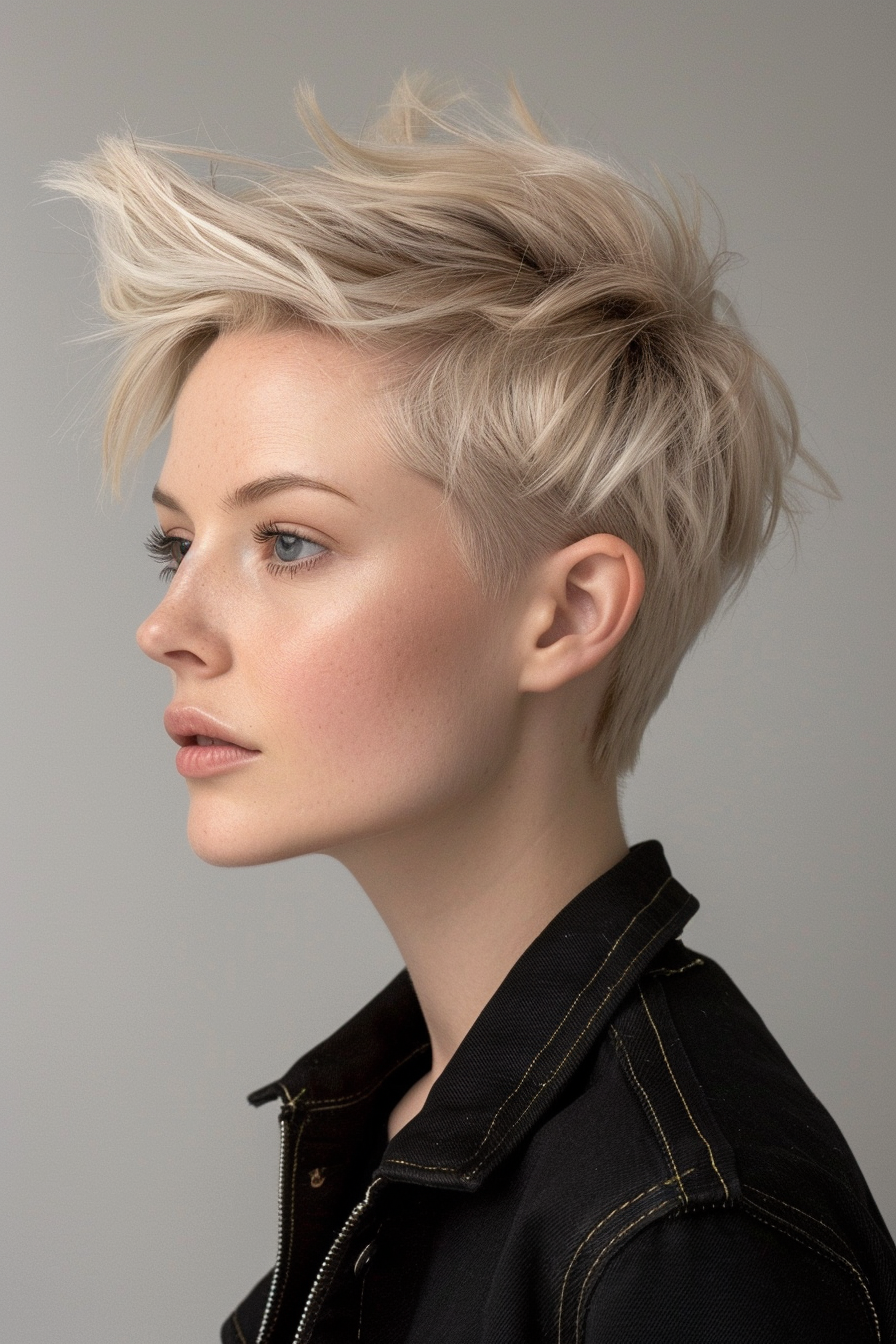
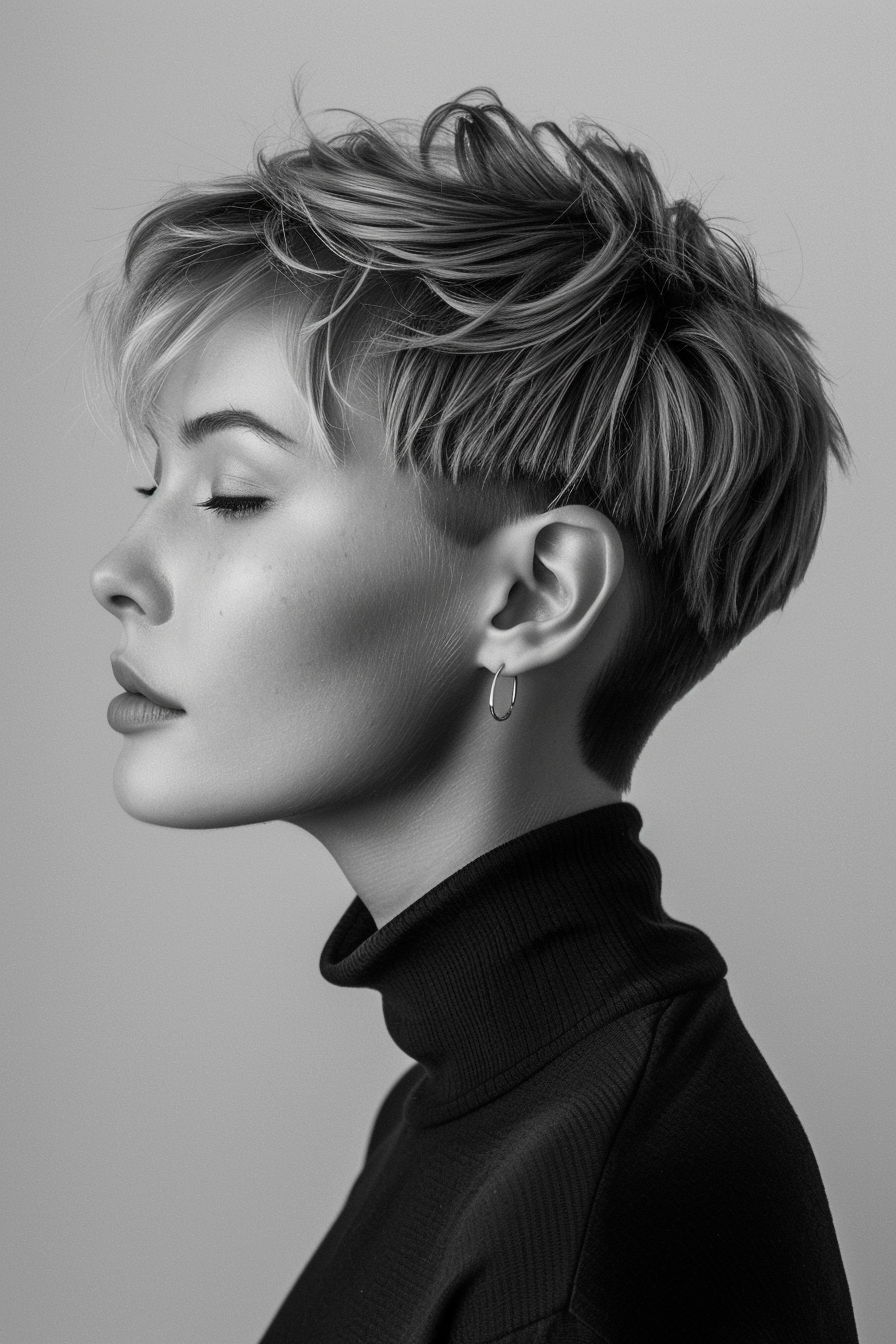
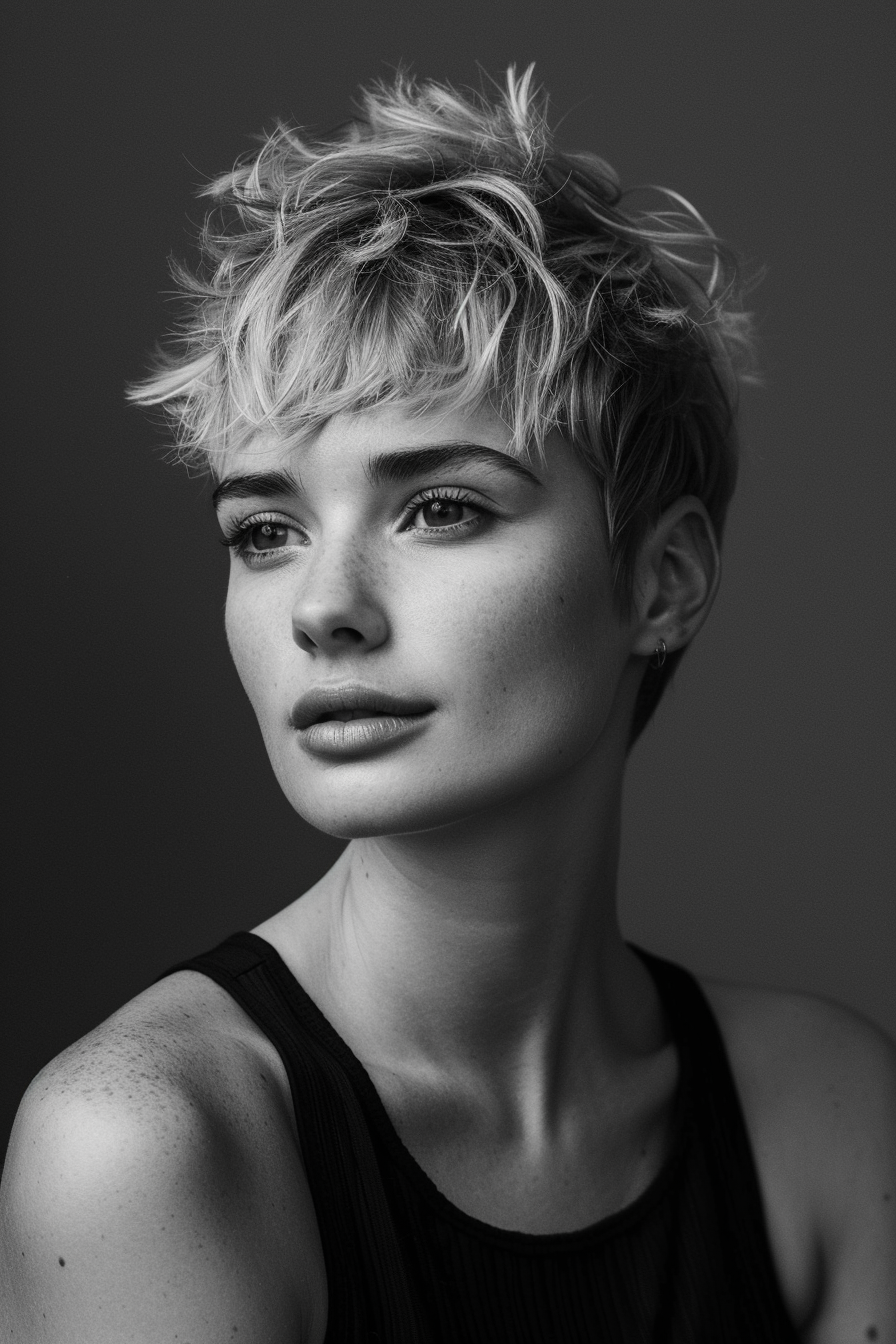
Layered Pixie with Crown Lift
A short pixie with concentrated layers at the crown. It suits most face shapes and works best on straight to slightly wavy hair.
1
2
3
4
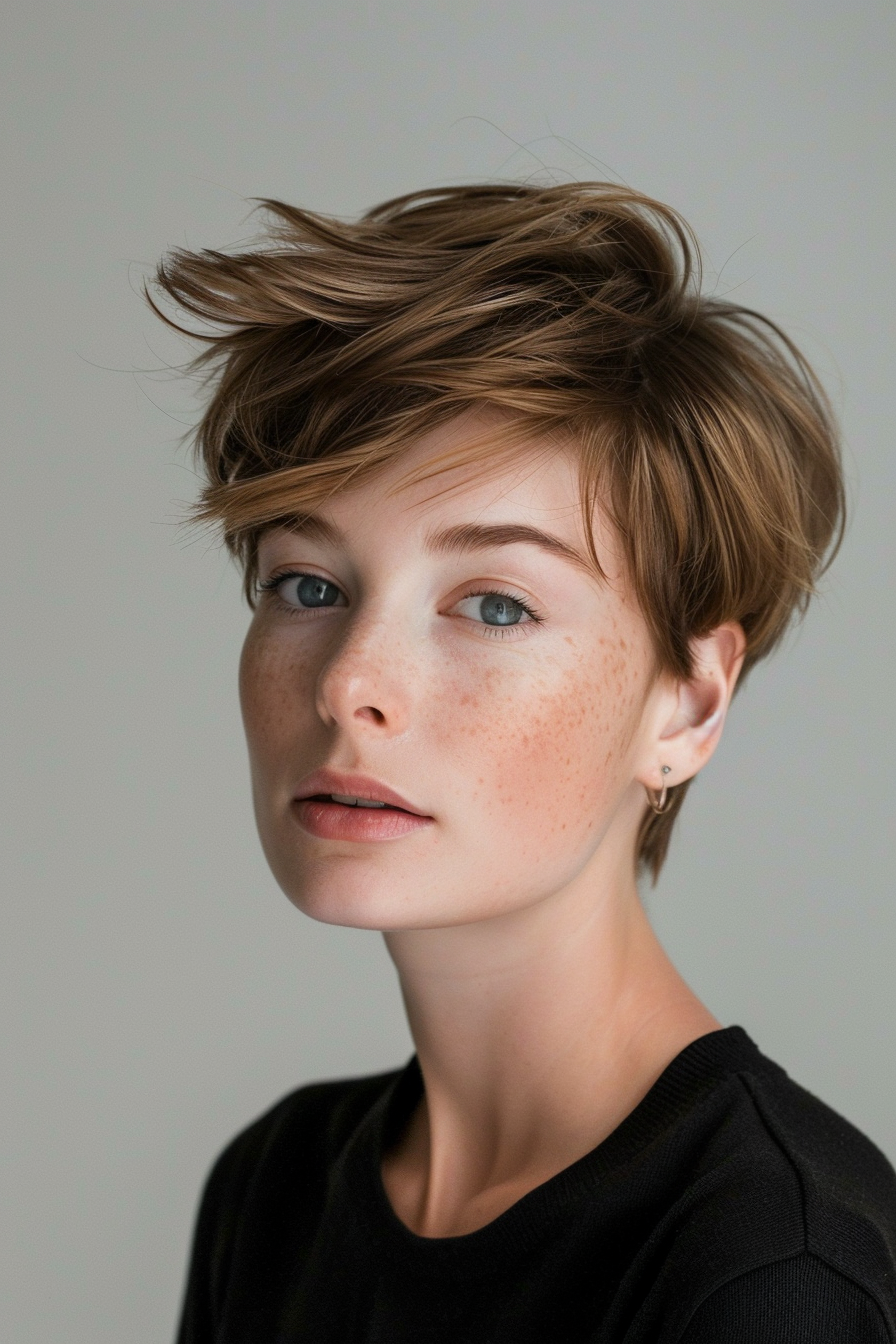
The crown layering creates vertical lift, which is key for fine hair. This adds height and prevents the style from sitting flat. It’s one of the most reliable options for creating a fuller silhouette.
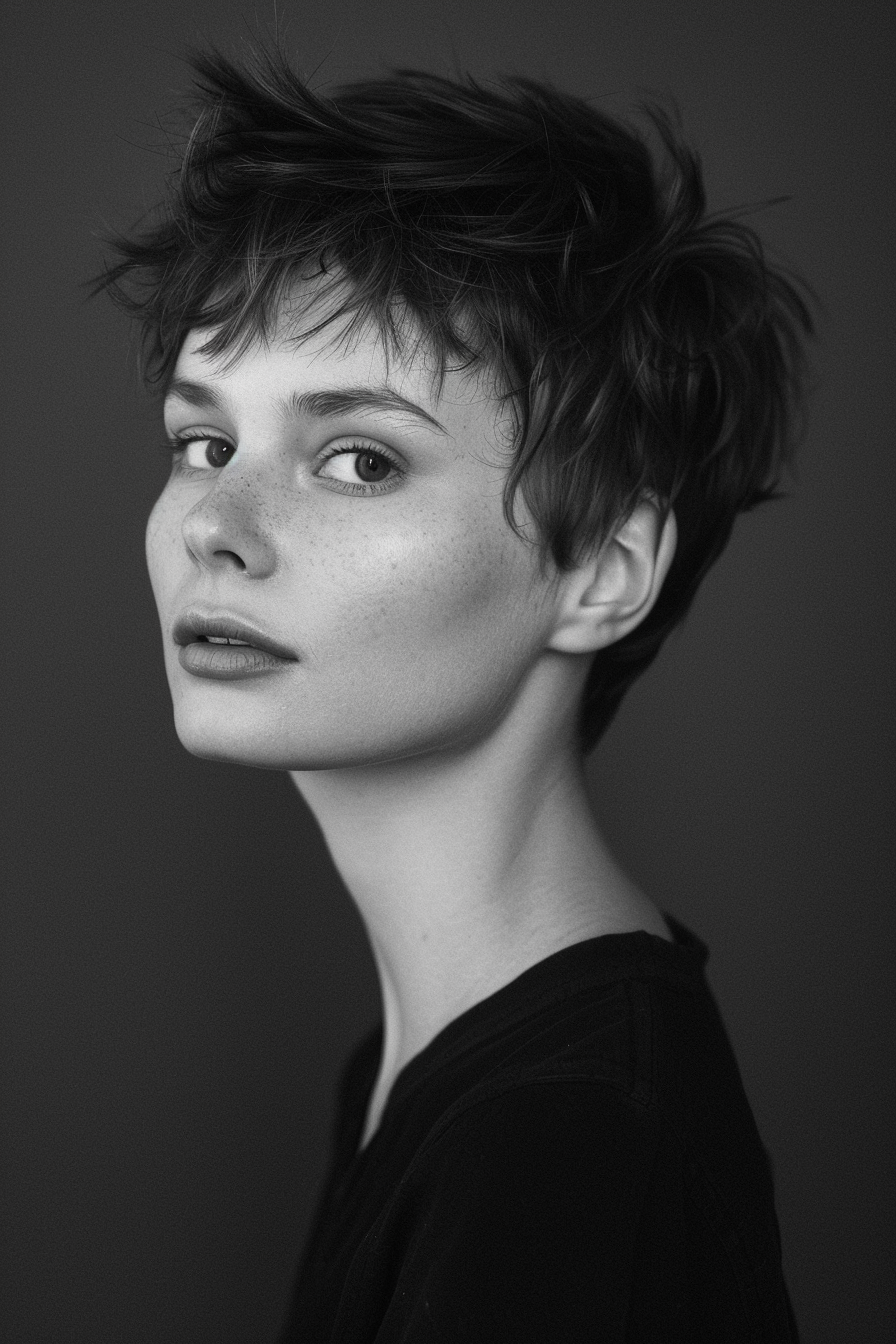
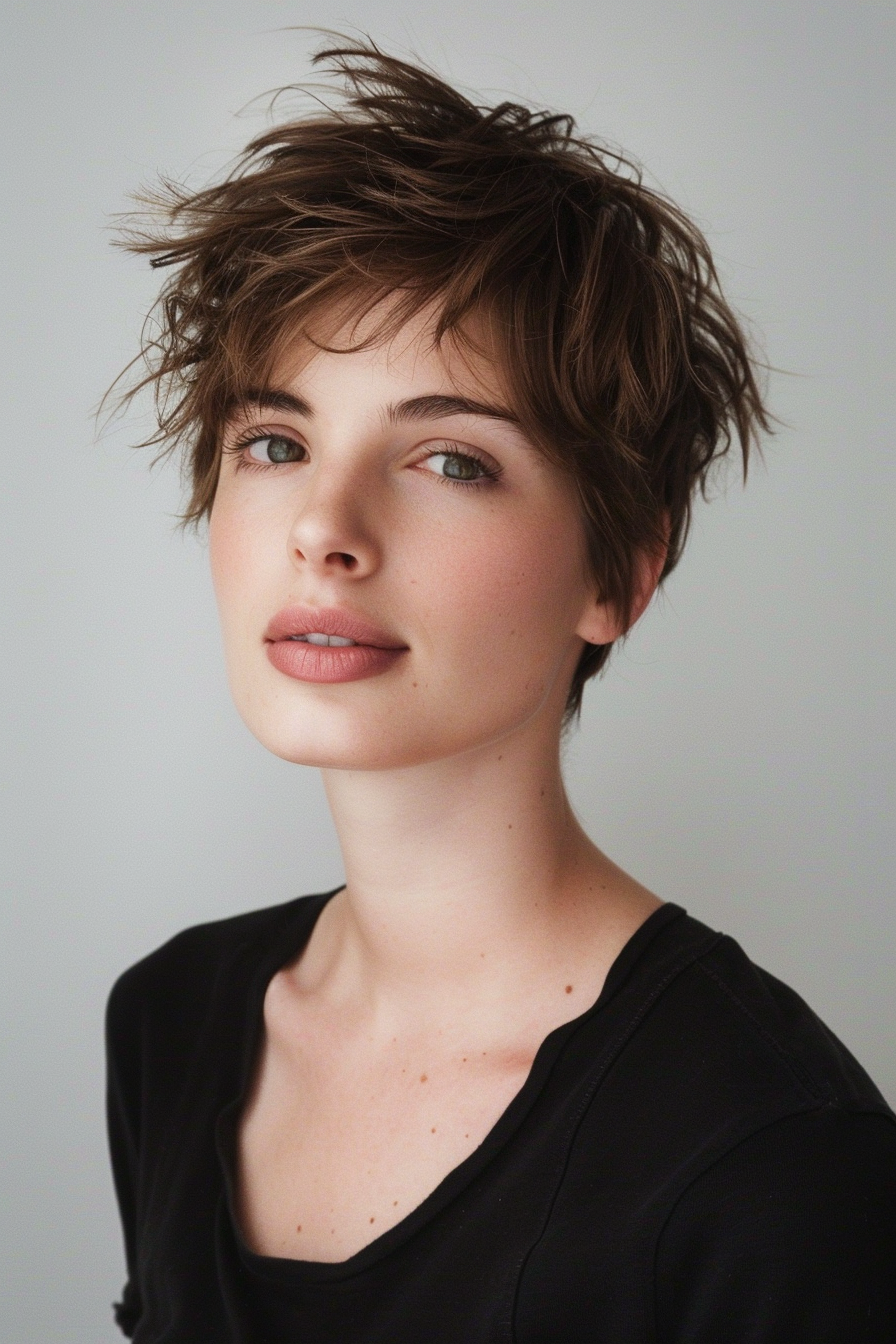
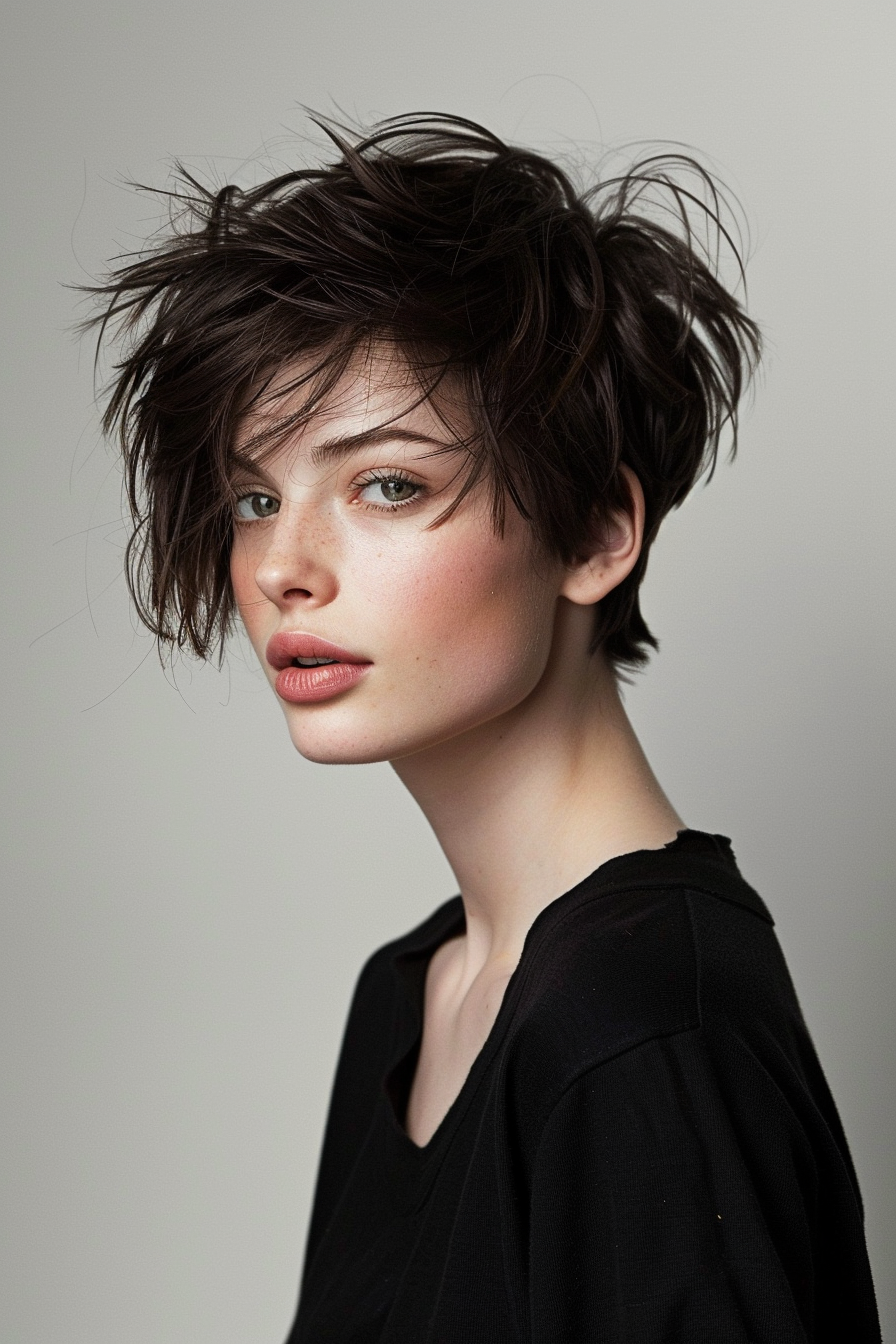
Choppy Pixie with Texture
Uneven, piecey layers throughout the cut. It suits most face shapes and works well on fine hair.
1
2
3
4
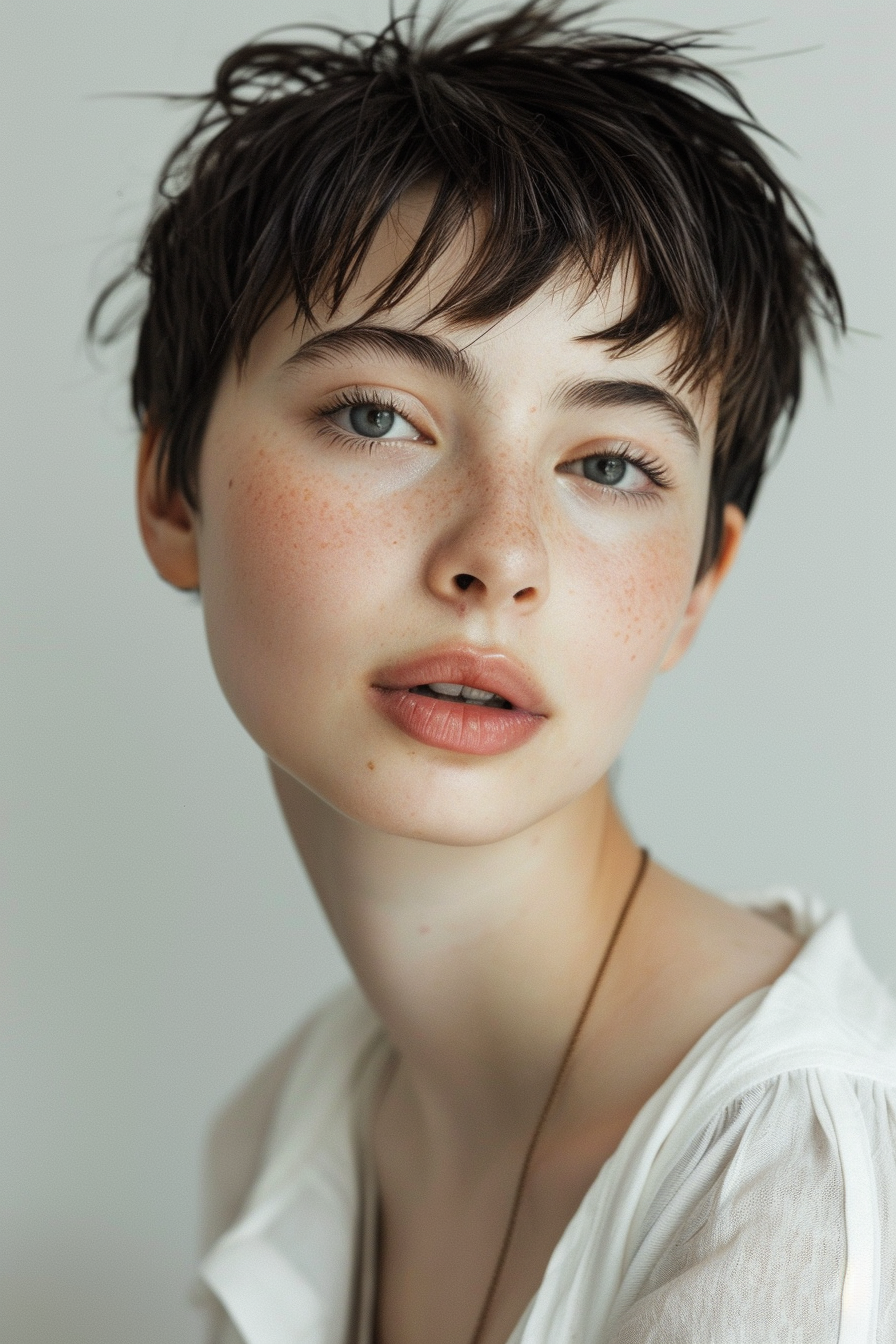
The choppy texture separates strands, giving the illusion of more density. Instead of clumping together, the hair looks airy and dimensional, which makes it appear thicker overall.
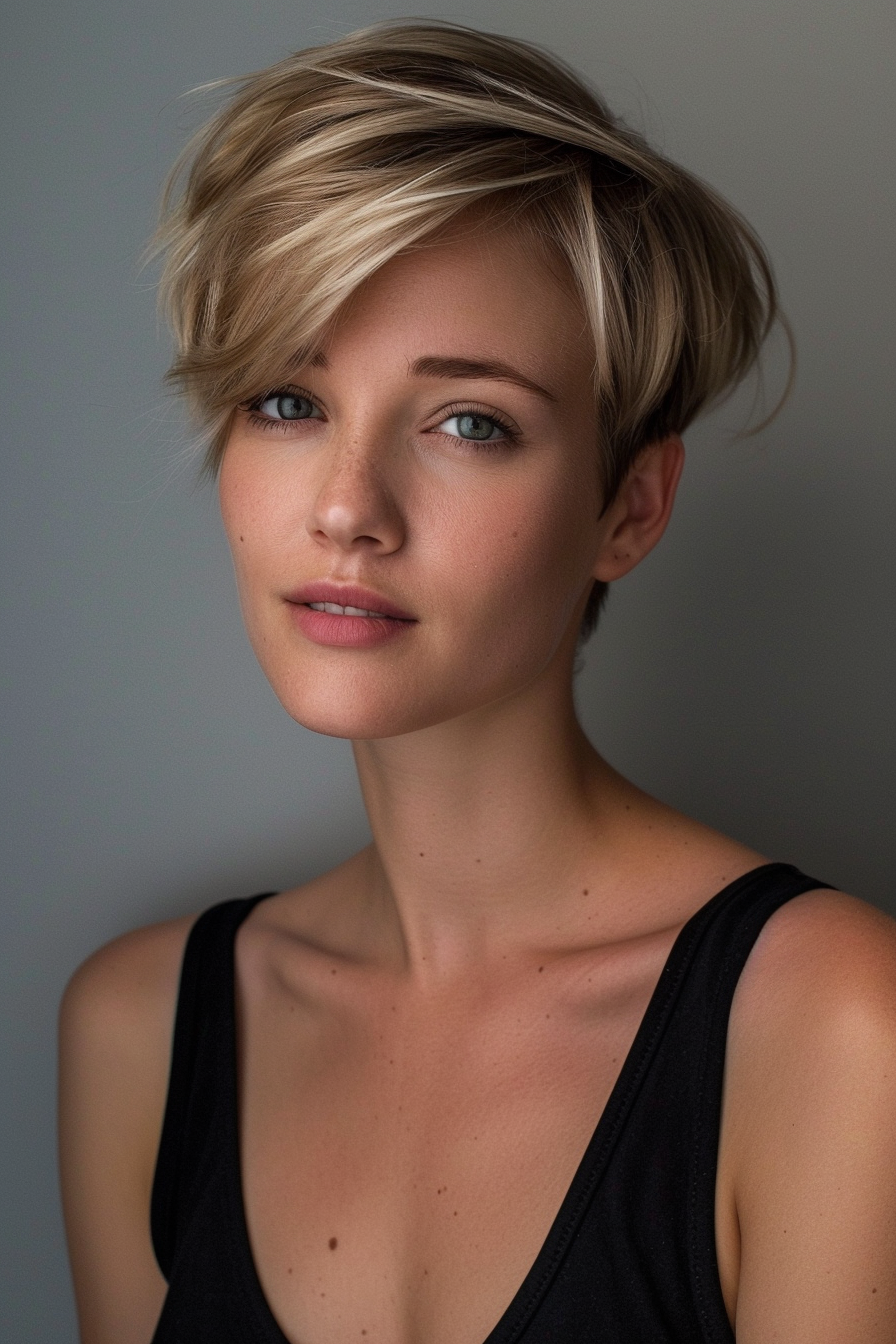
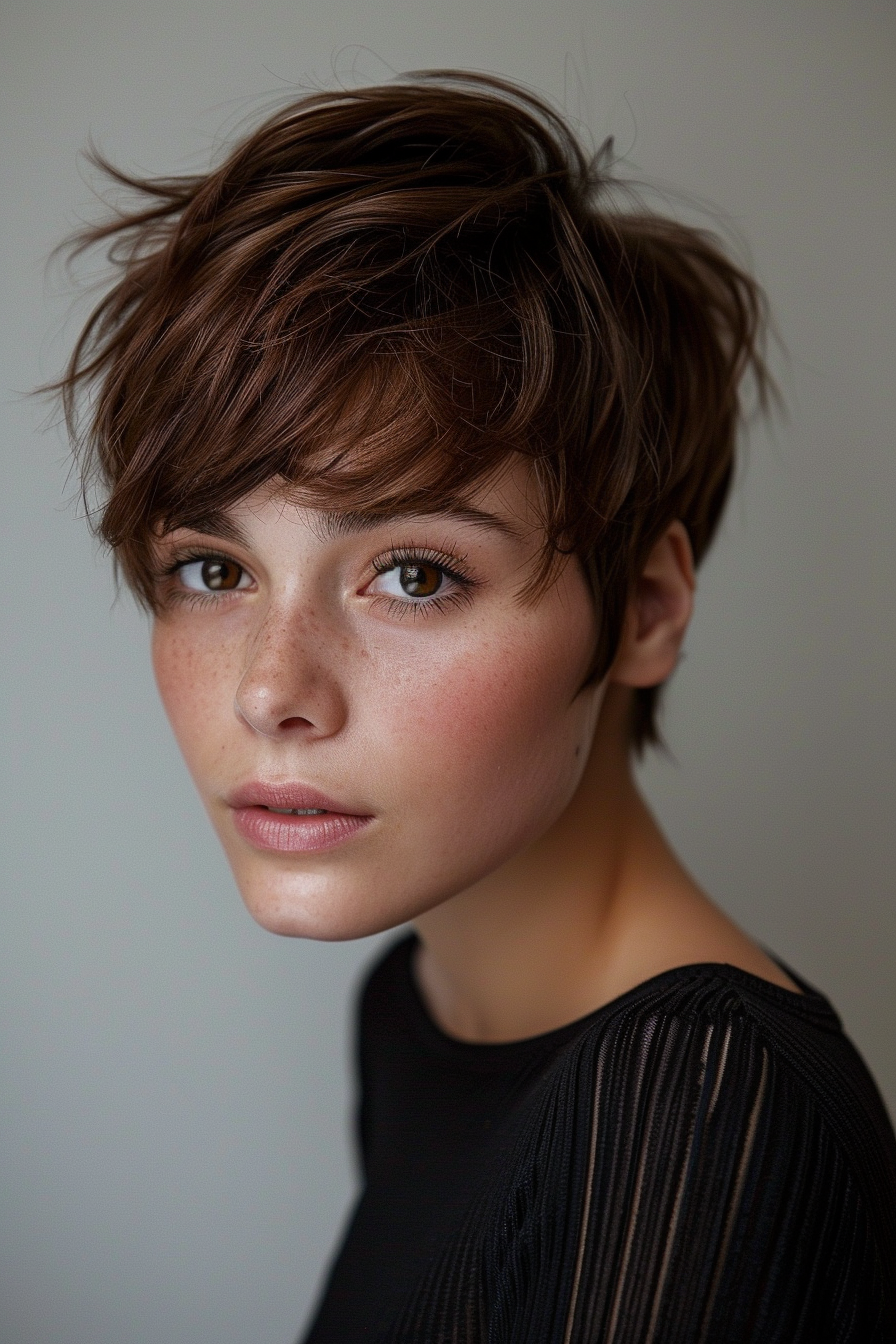
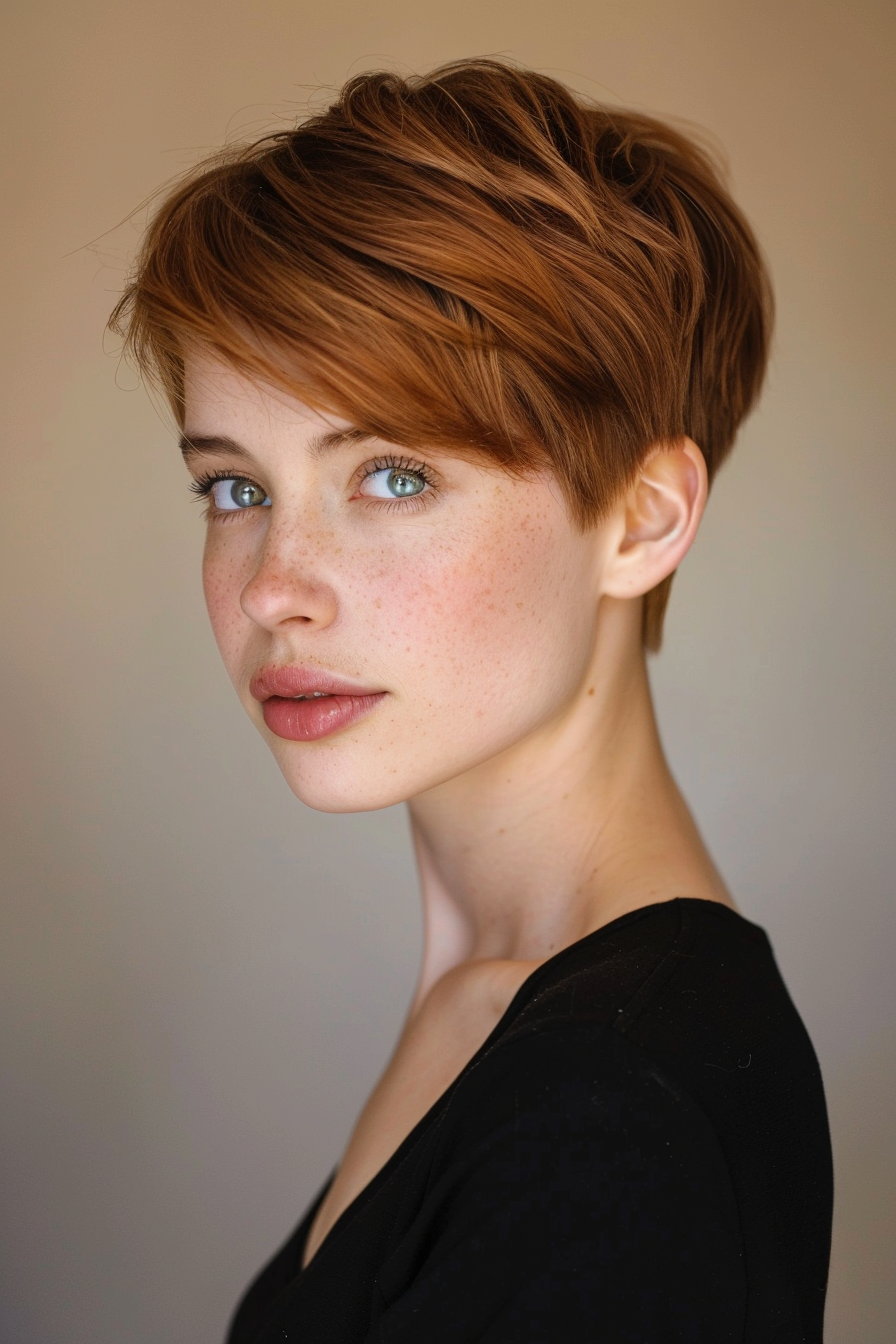
Side-Swept Pixie
A pixie with a longer fringe styled to one side. It suits round and square faces especially well.
1
2
3
4
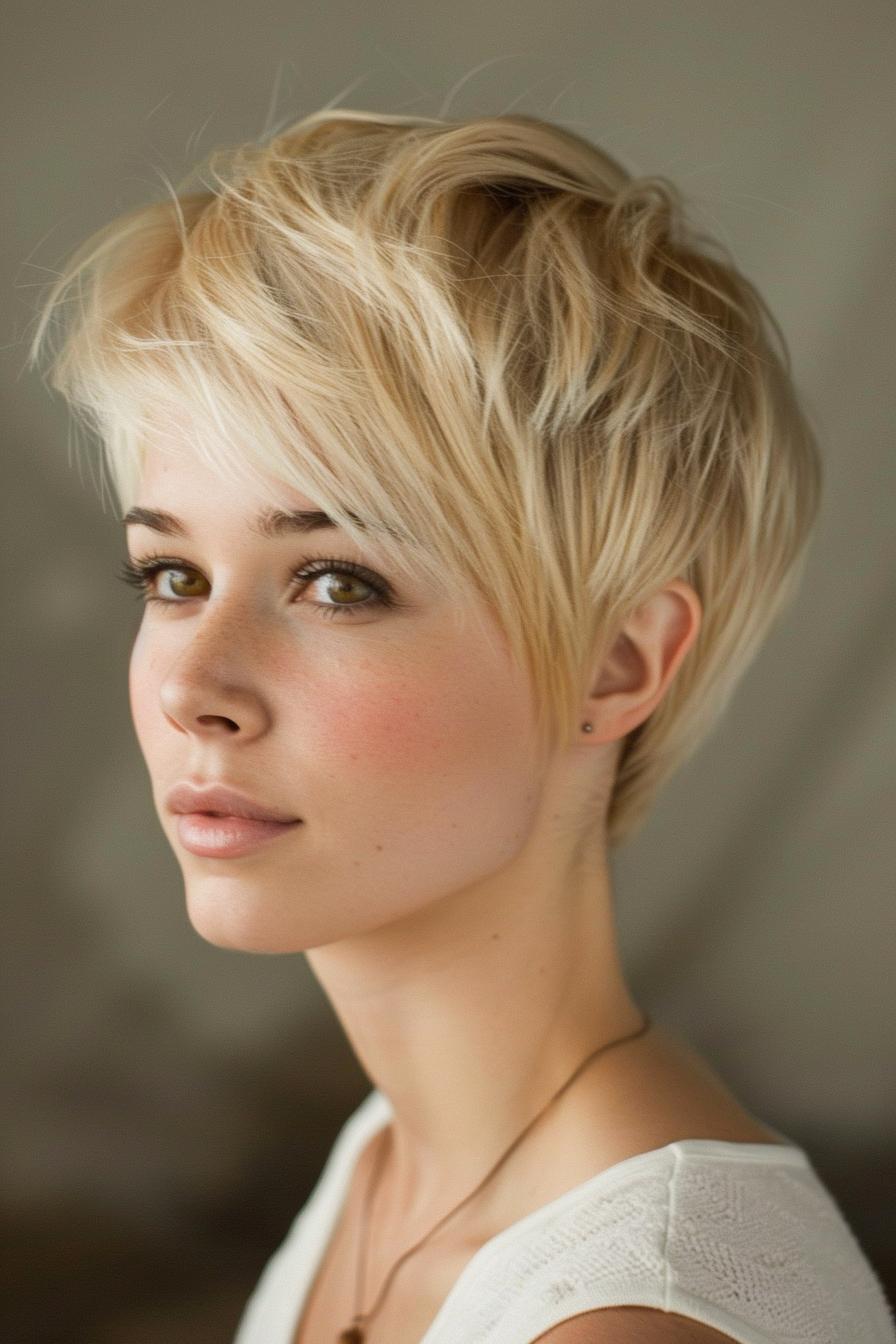
The diagonal fringe adds movement and direction, which helps break up flatness. It also creates a soft frame around the face while adding visual volume at the front.
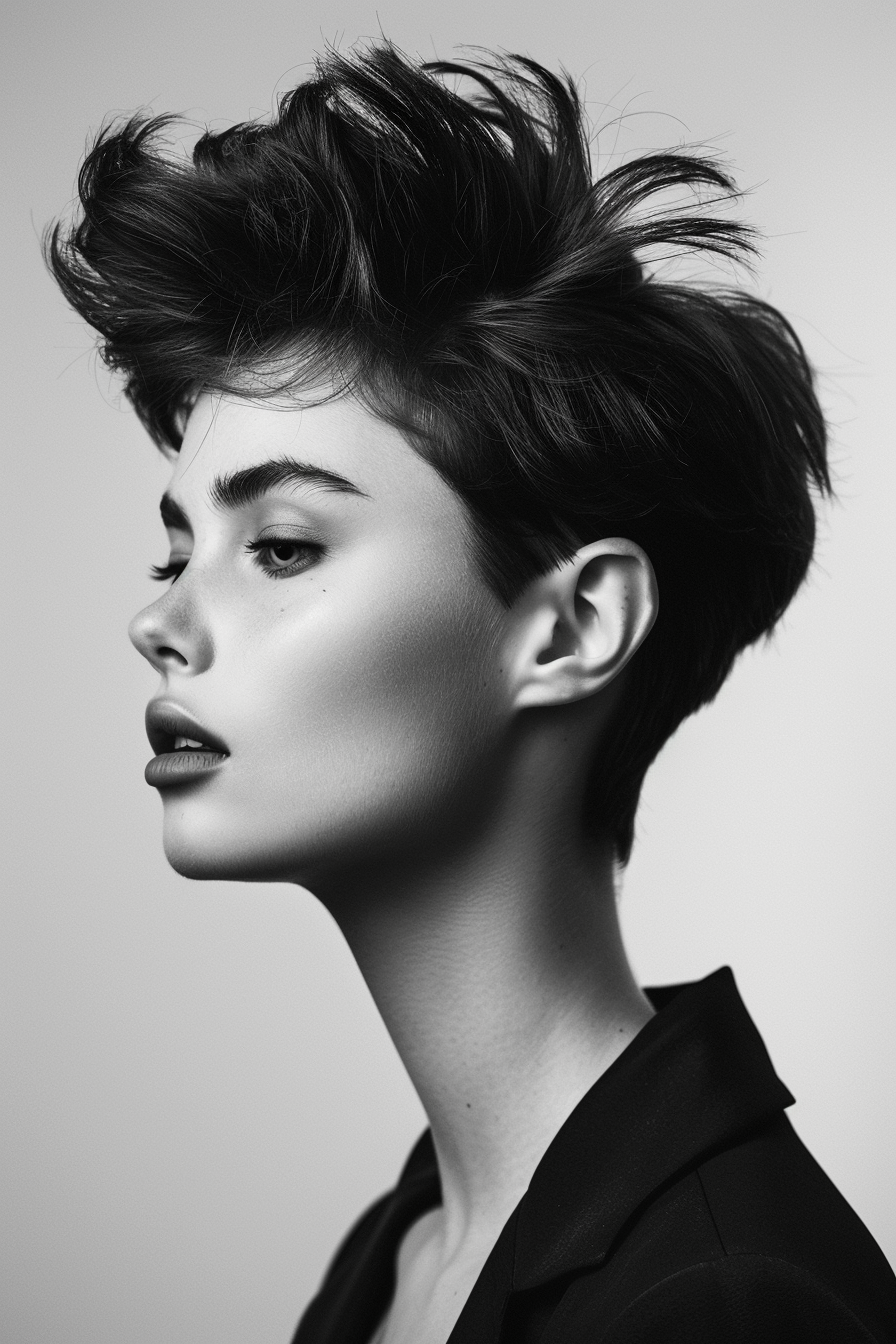
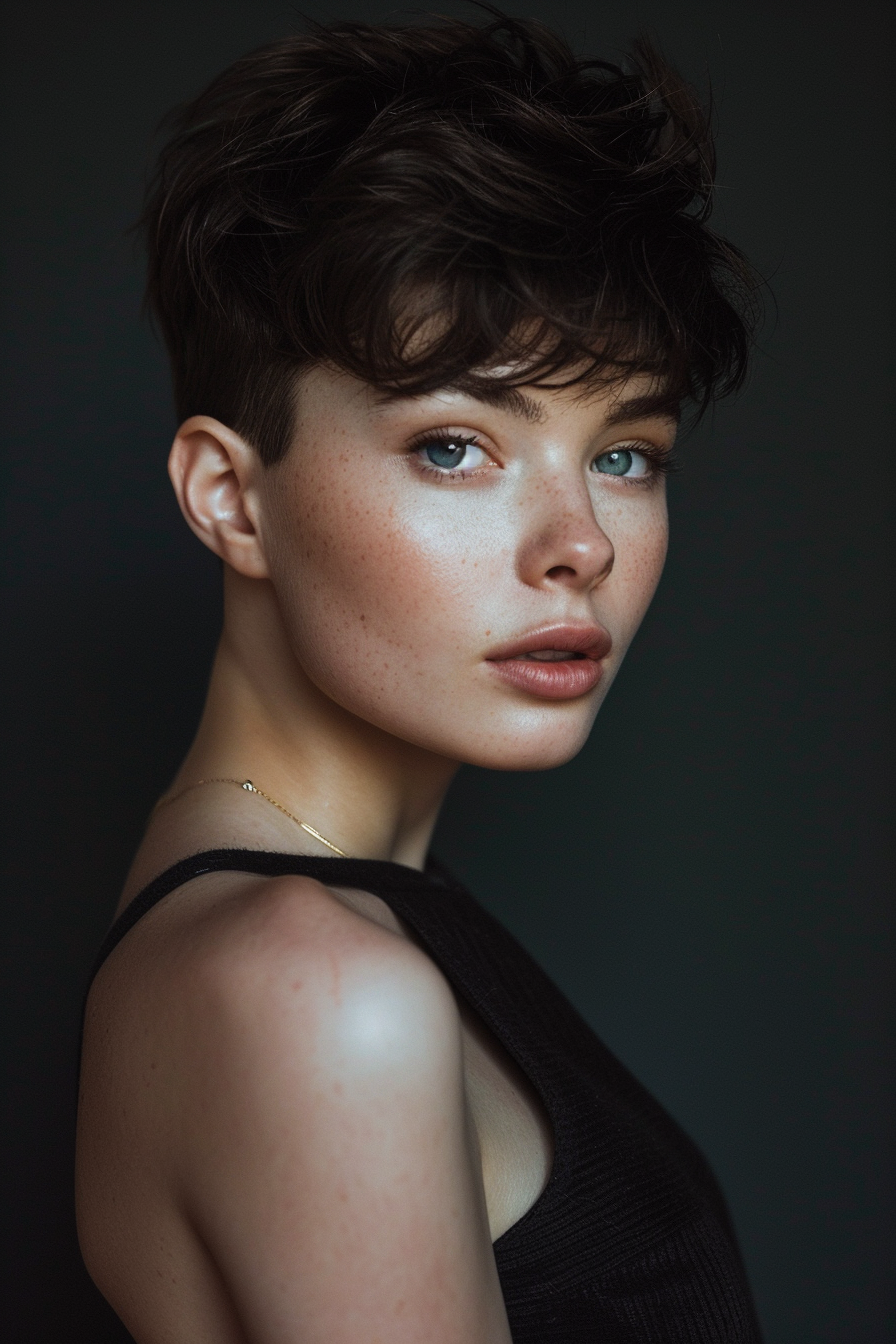
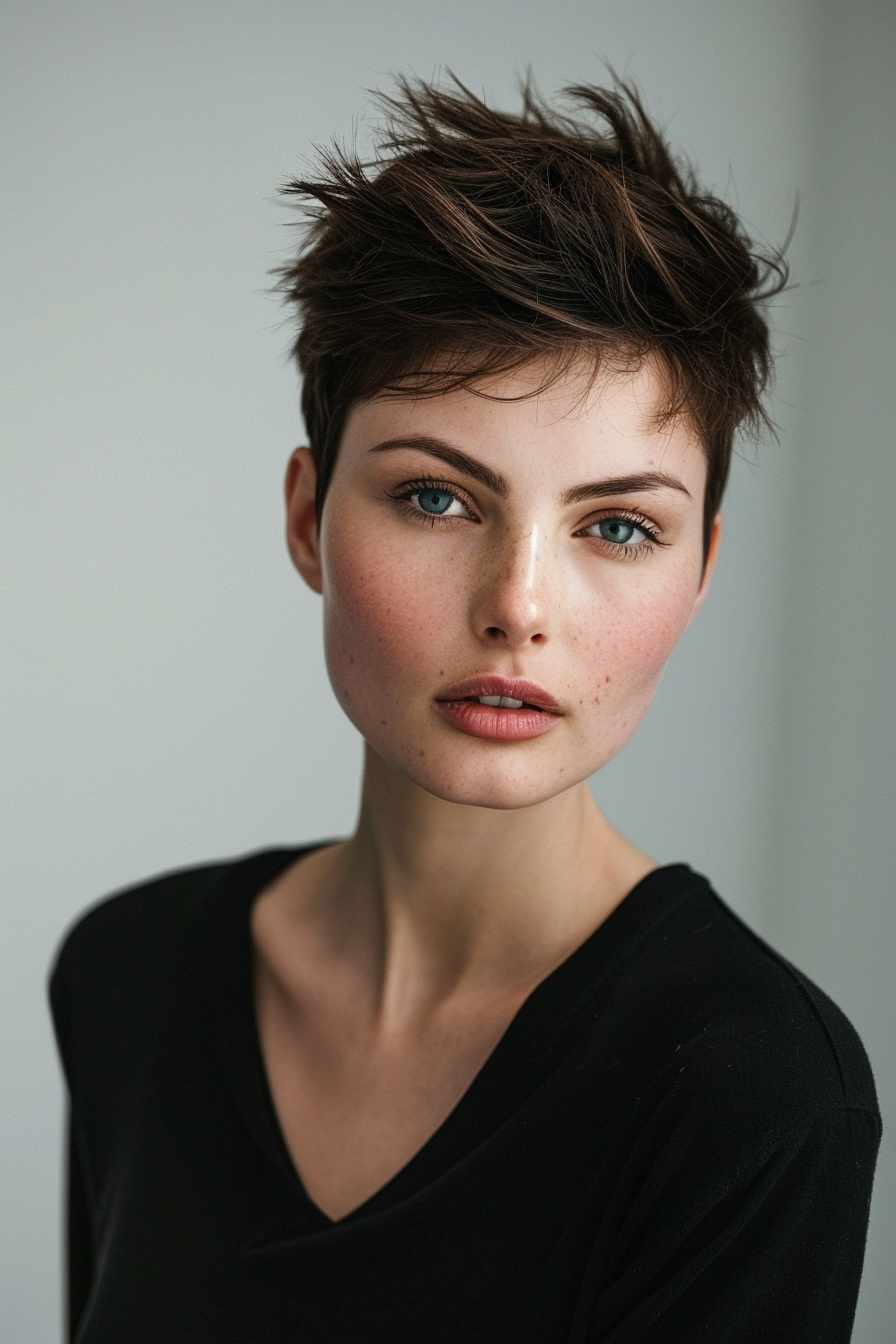
Tapered Pixie with Volume Top
Short, neat sides and back with a fuller top section. It suits most face shapes.
1
2
3
4
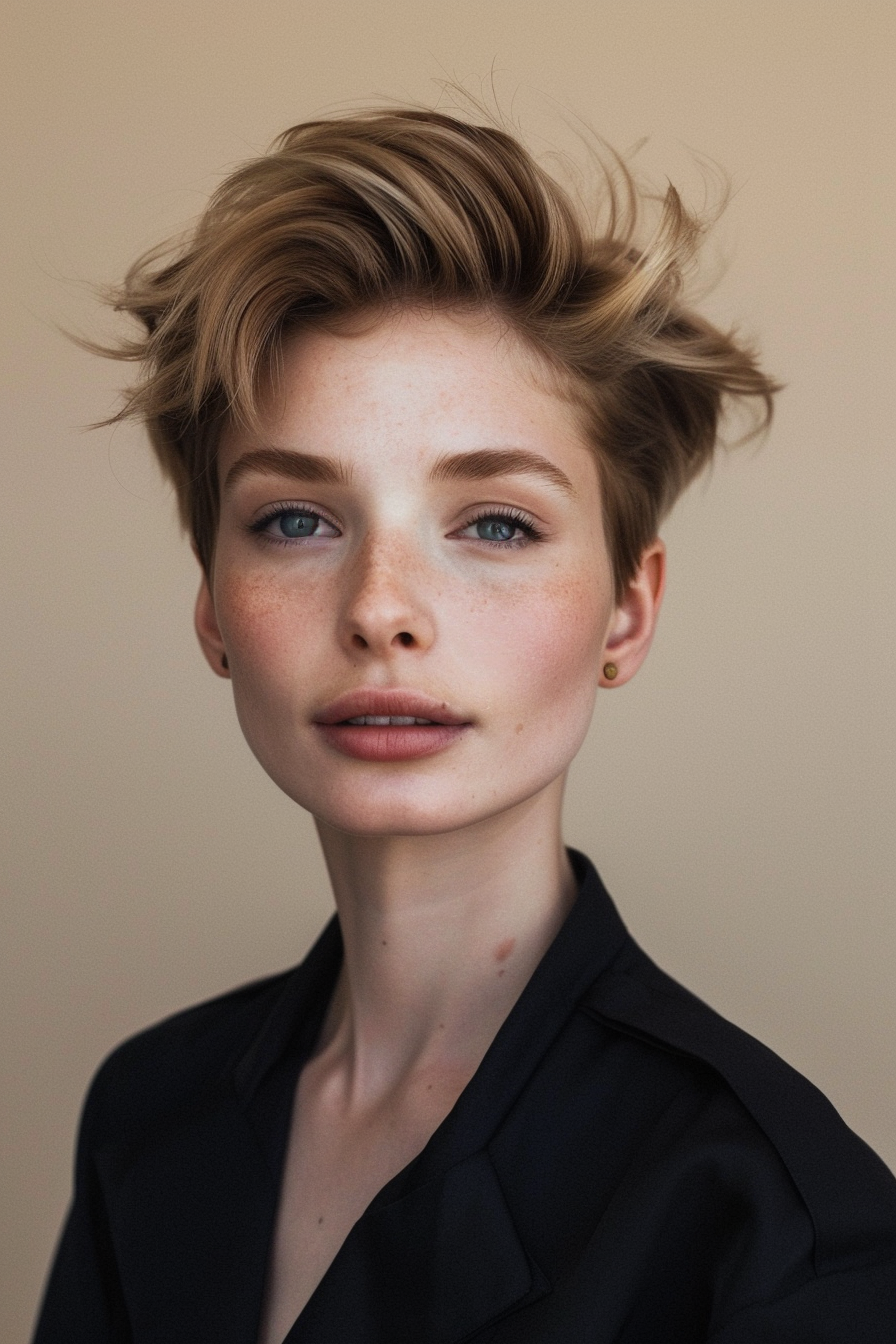
The contrast between the tight sides and lifted top emphasizes height. This creates a more sculpted look and makes the hair appear thicker without adding bulk.
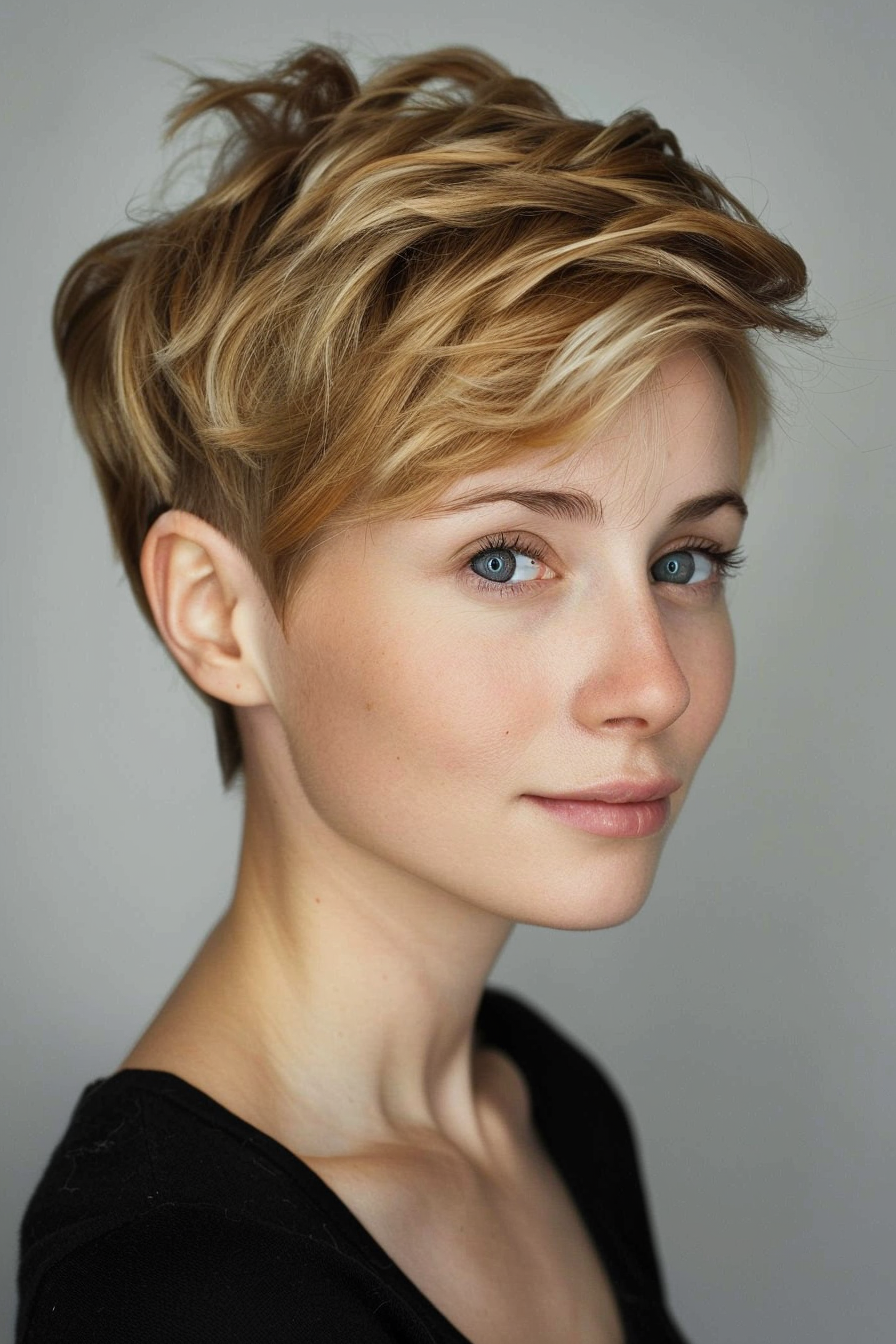
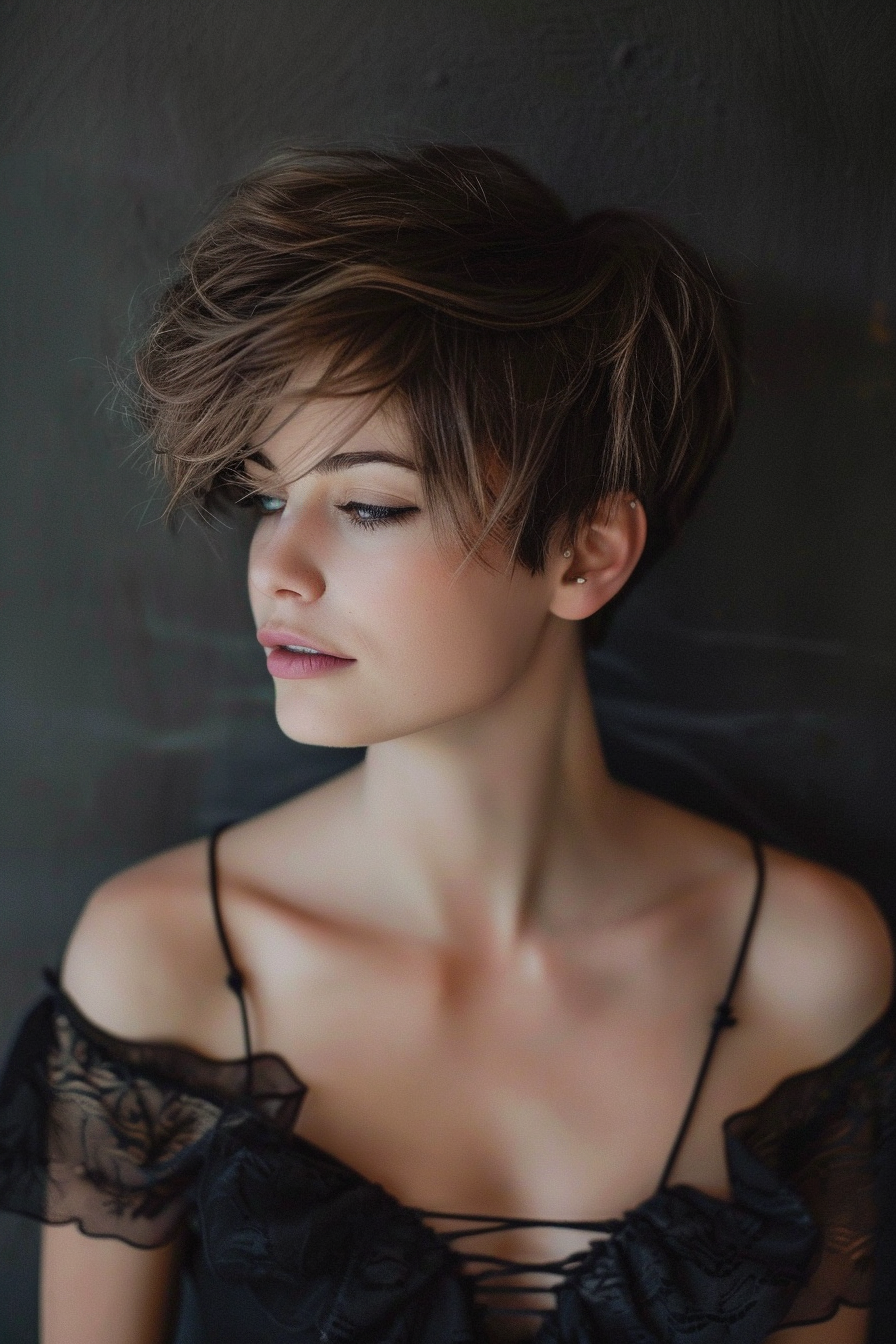
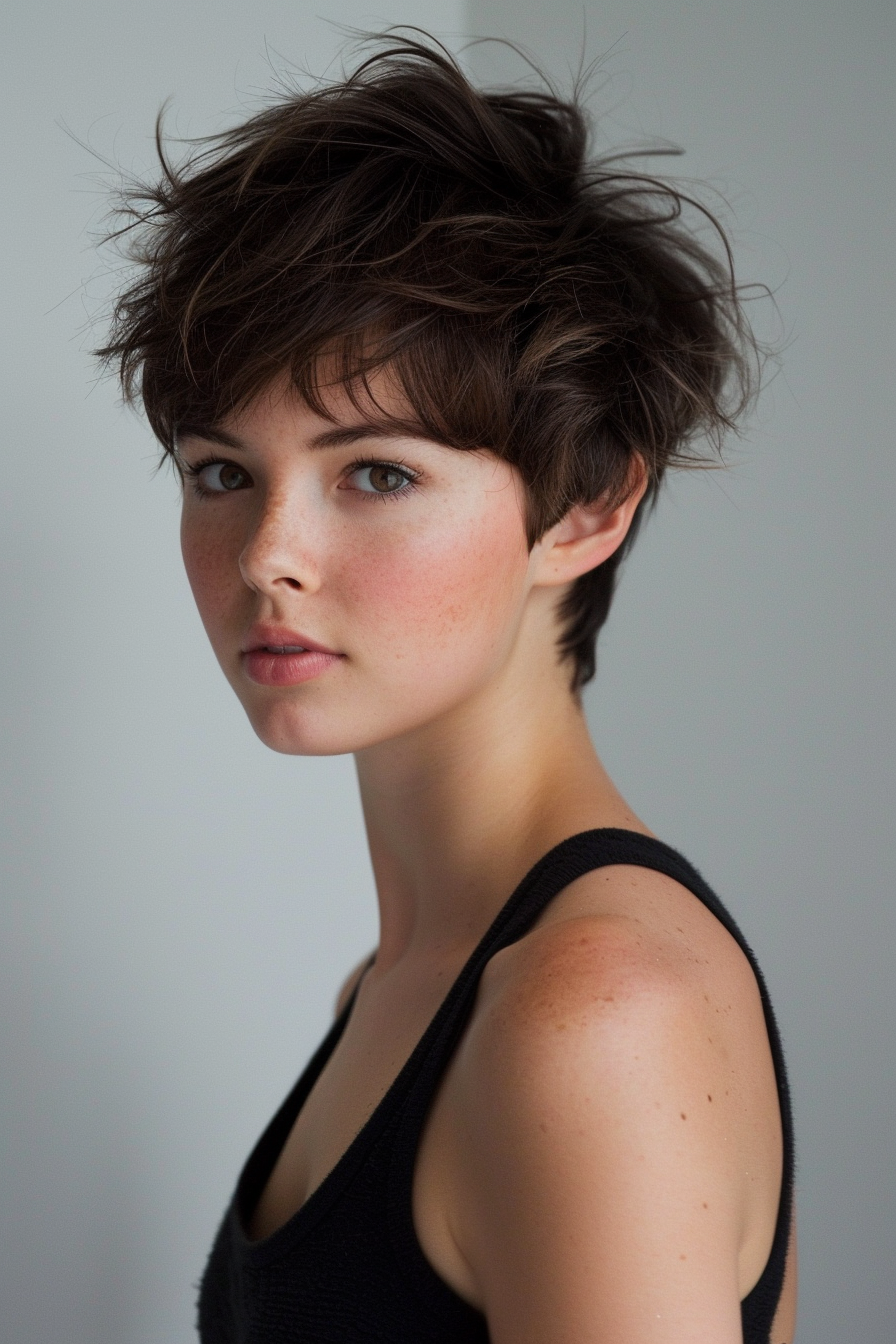
Feathered Pixie Cut
Soft, feathered layers that create a light, airy finish. It suits oval and square faces and works well on fine hair.
1
2
3
4
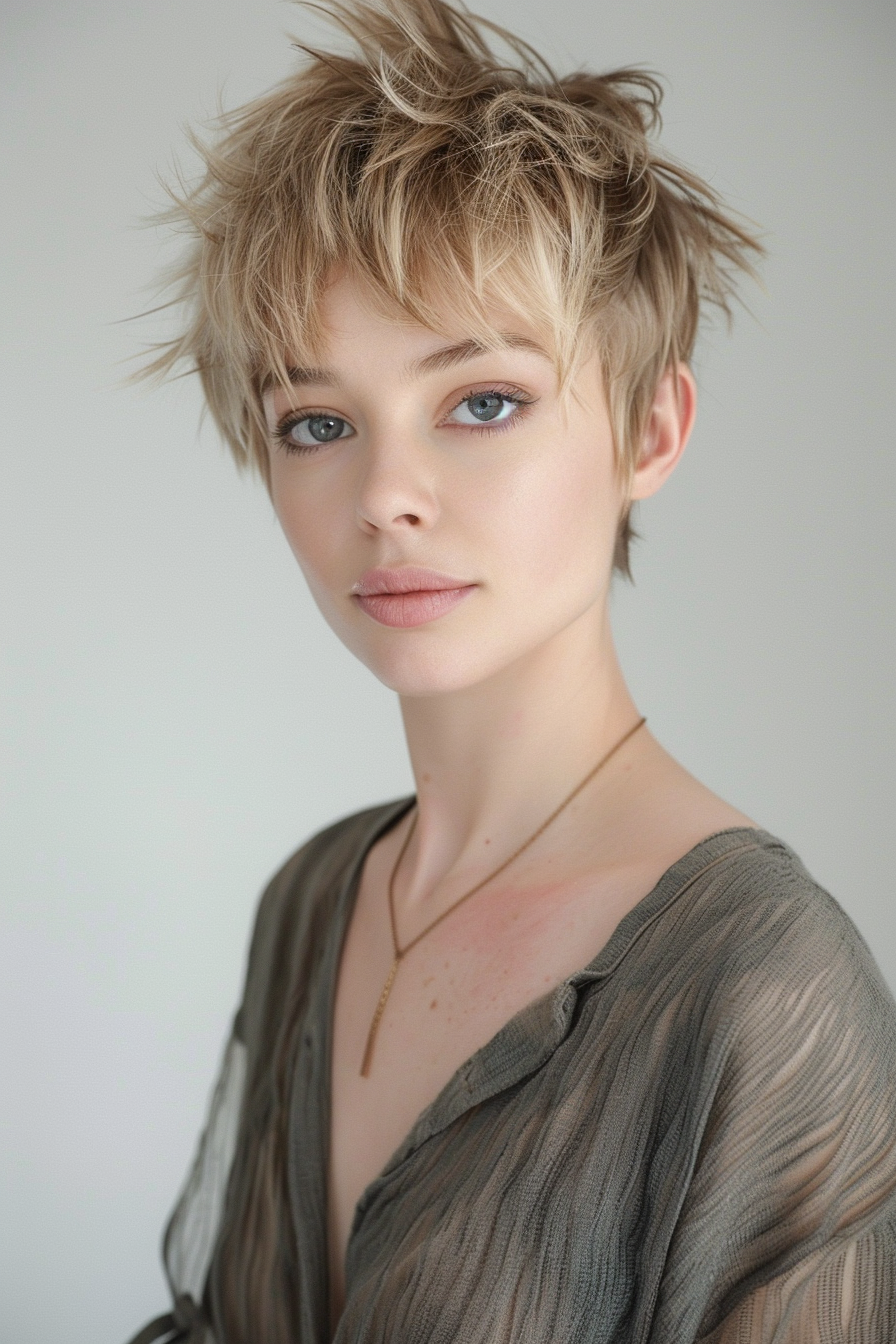
Feathering adds movement without removing too much density. The result is soft volume that feels natural rather than stiff or over-styled.
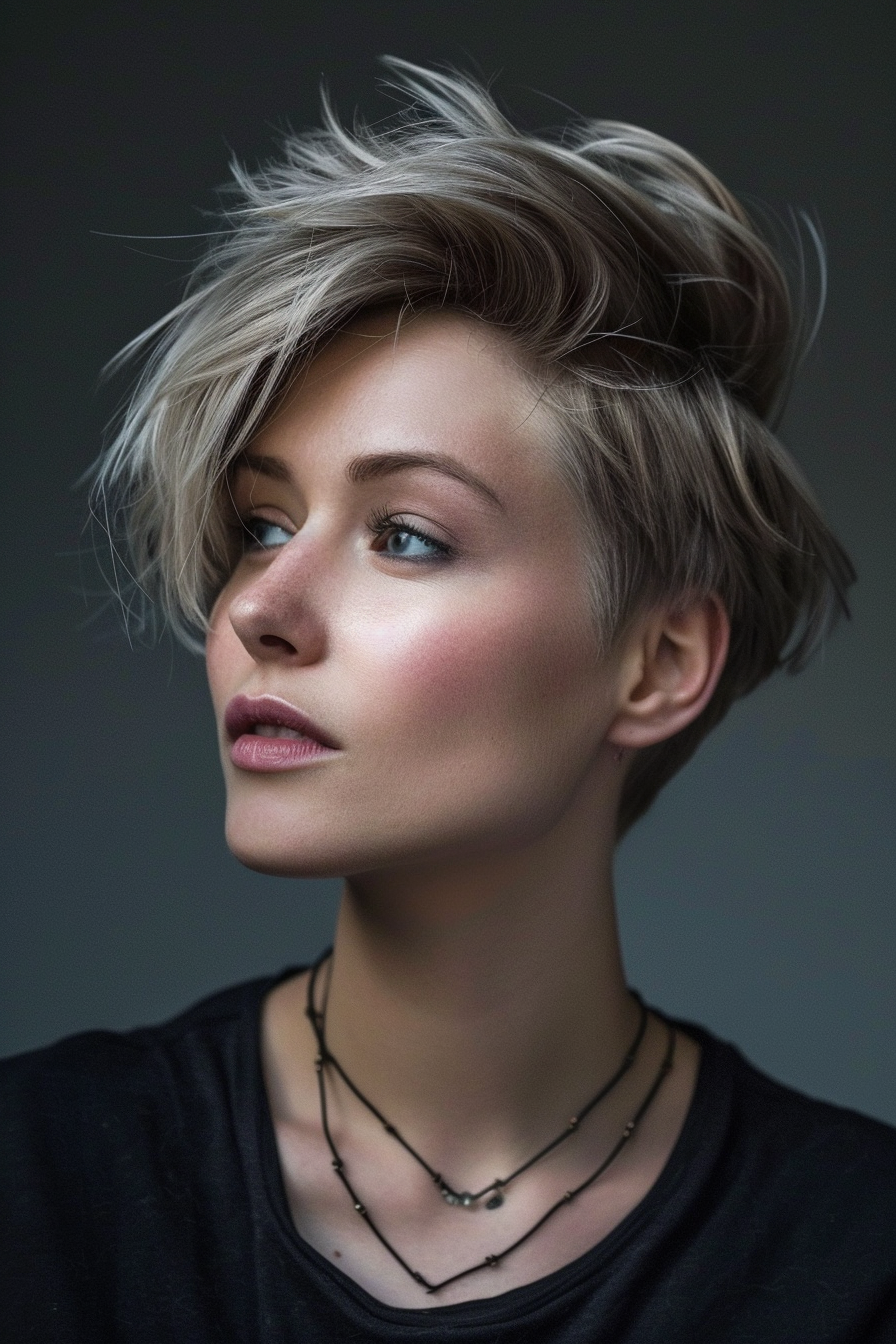
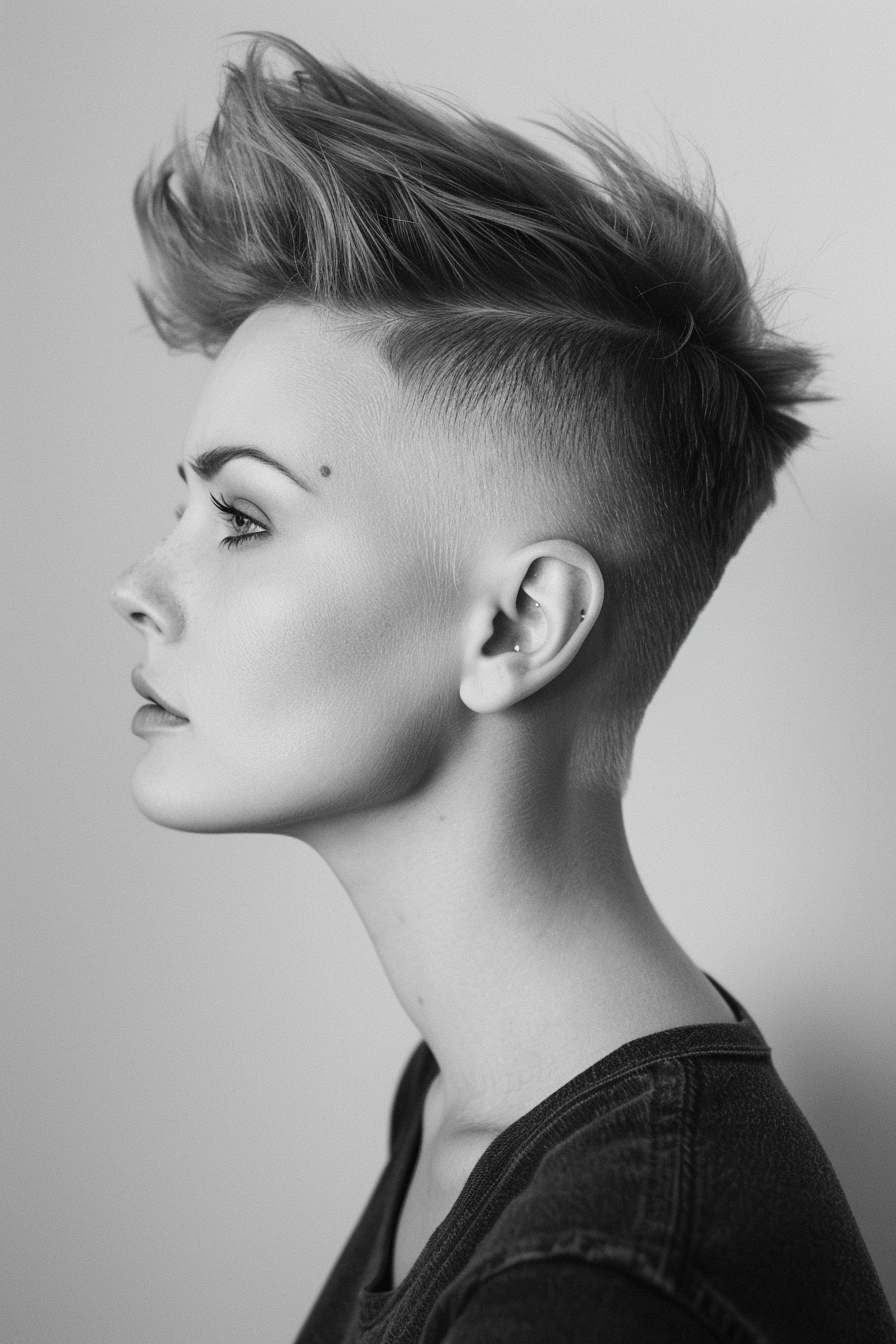
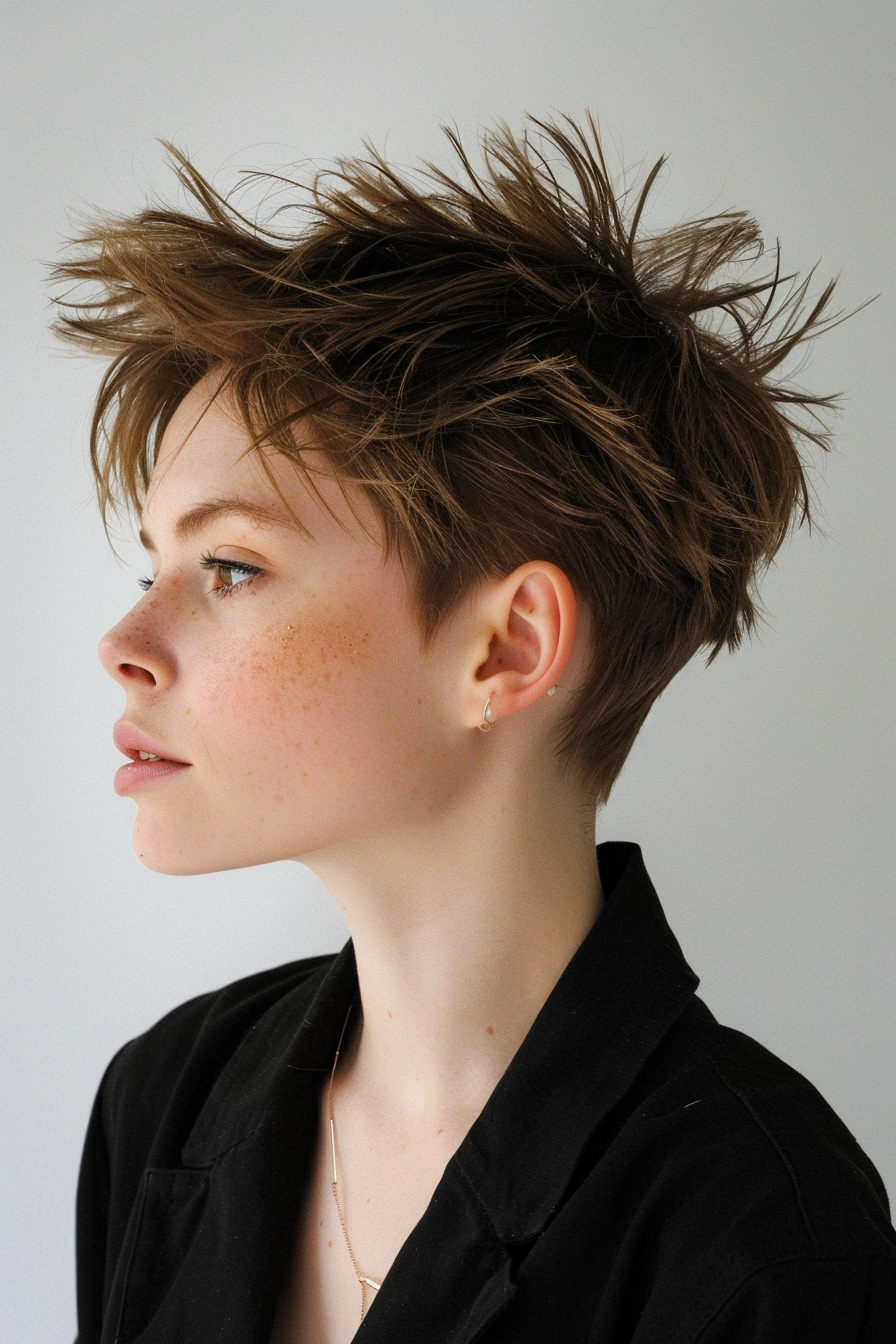
Pixie with Undercut Detail
An undercut at the sides or back with longer layers on top. It suits oval and heart-shaped faces.
1
2
3
4
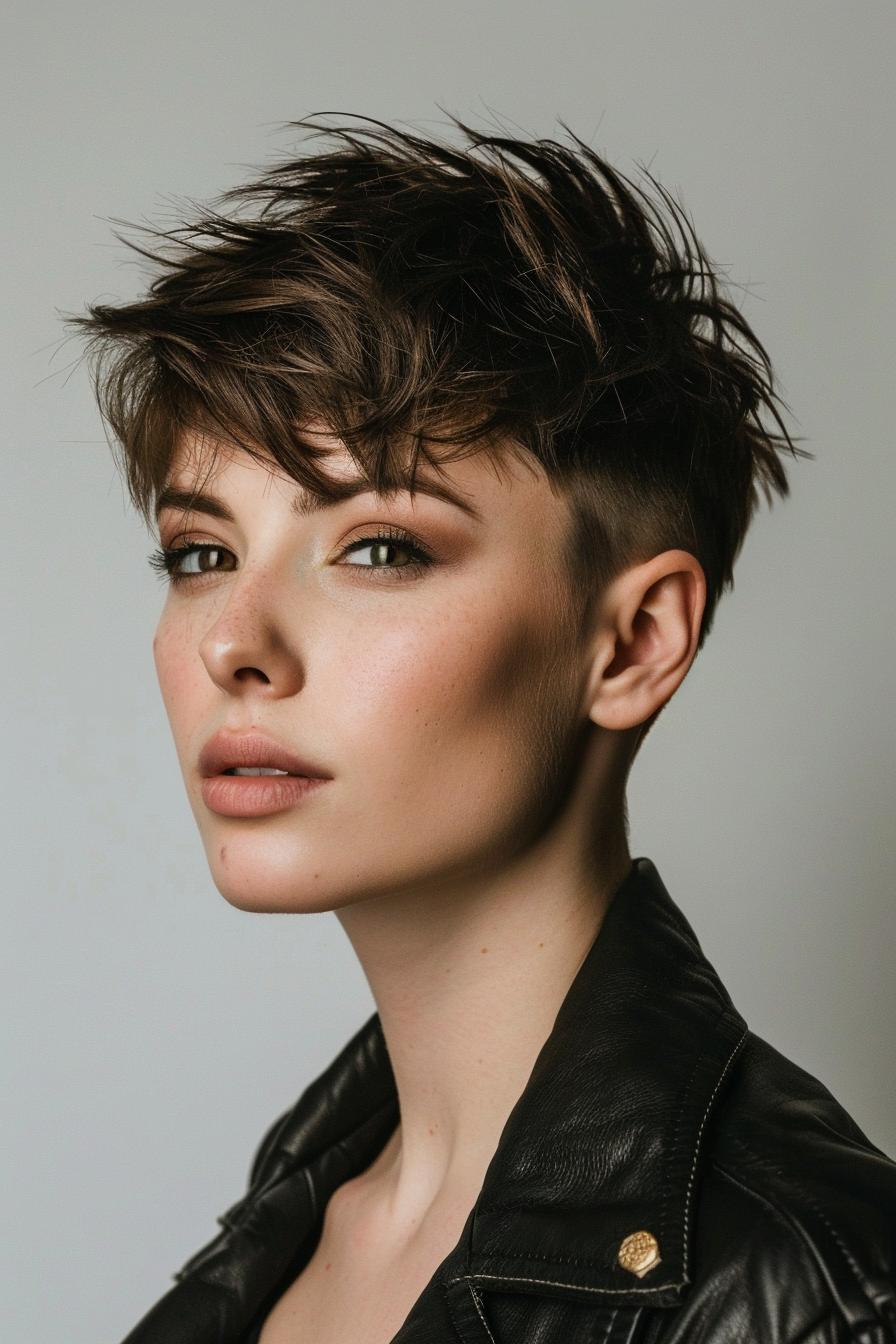
The shorter under sections remove bulk, allowing the top to stand out more. This exaggerates volume at the crown and creates a bold, modern shape.
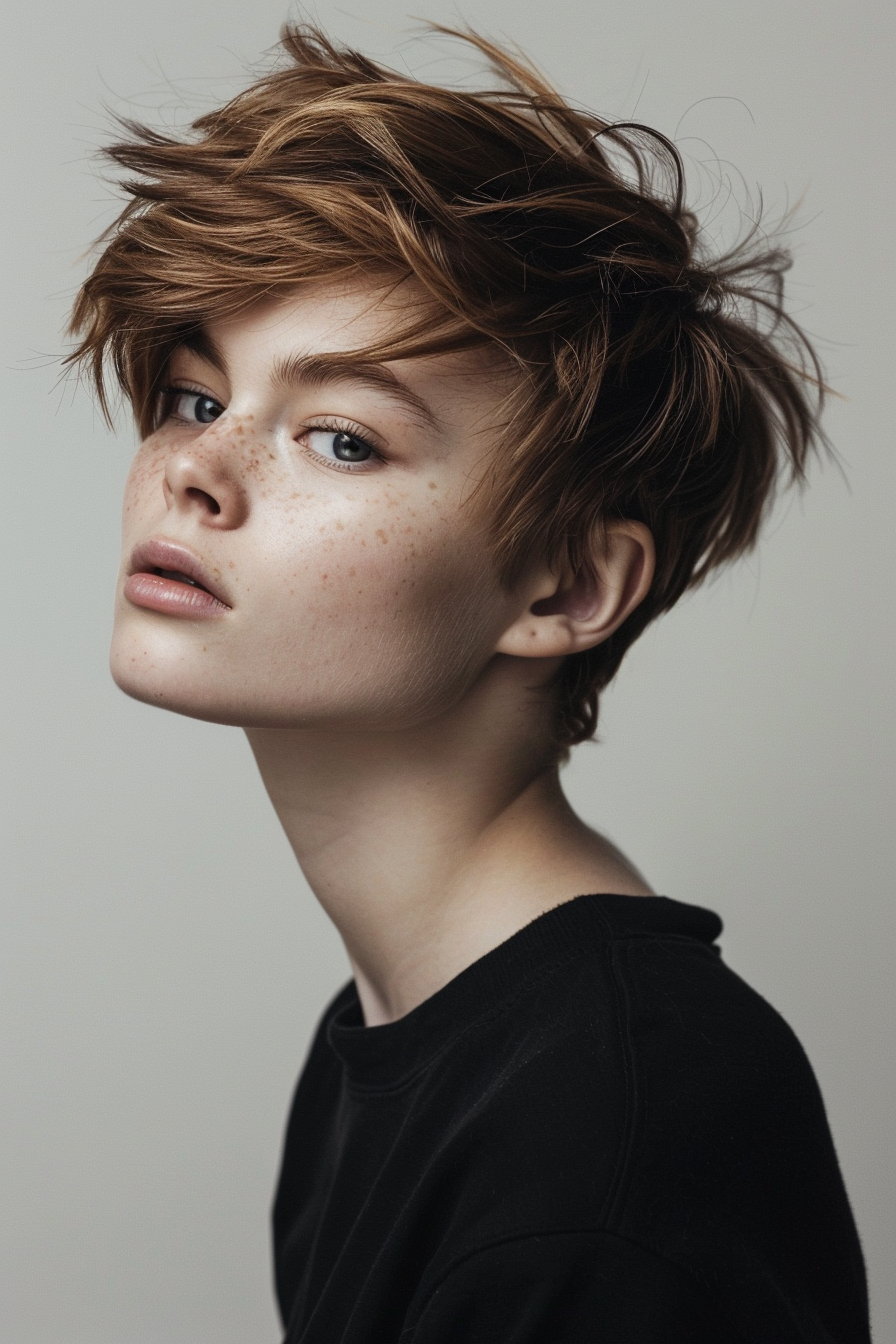
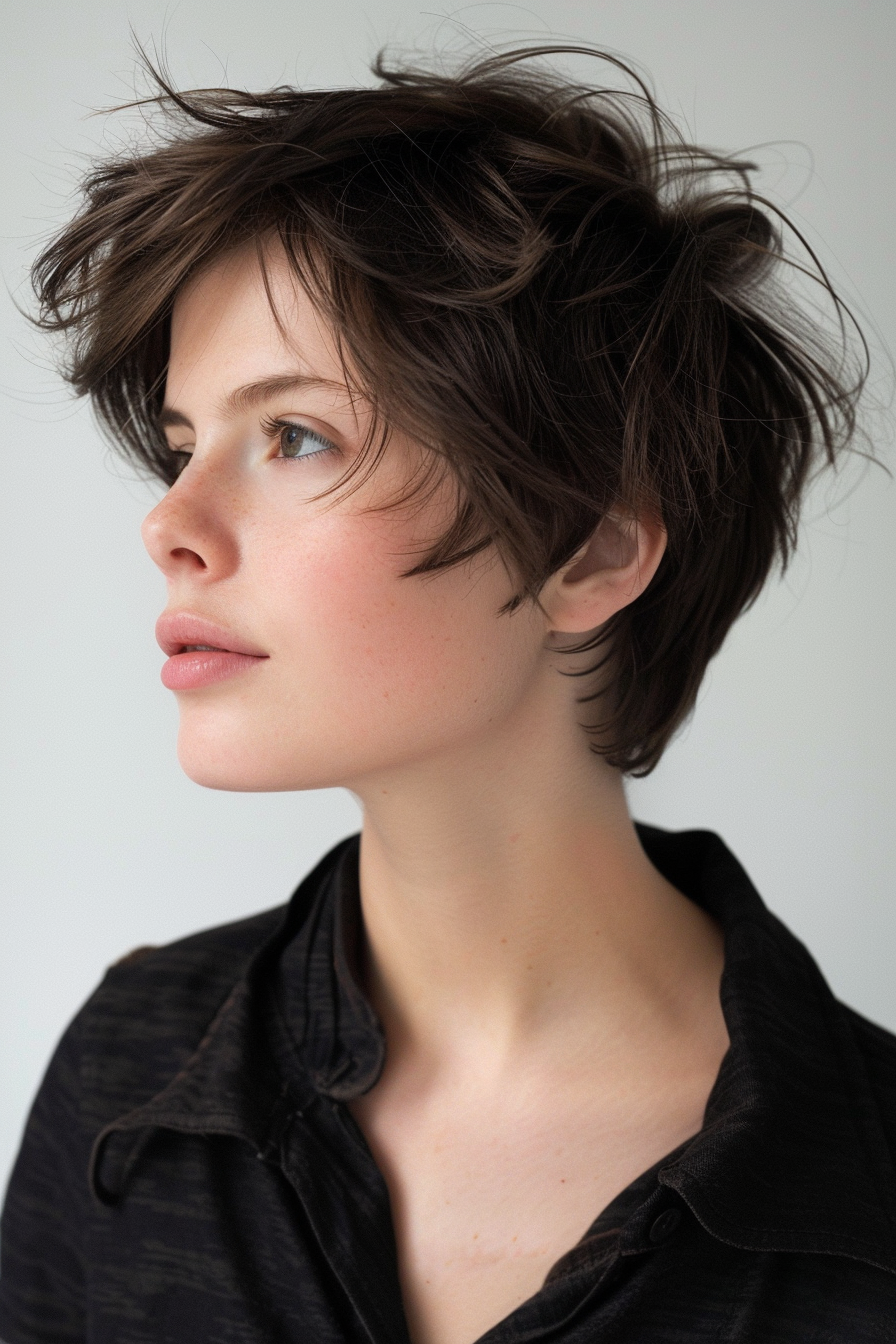
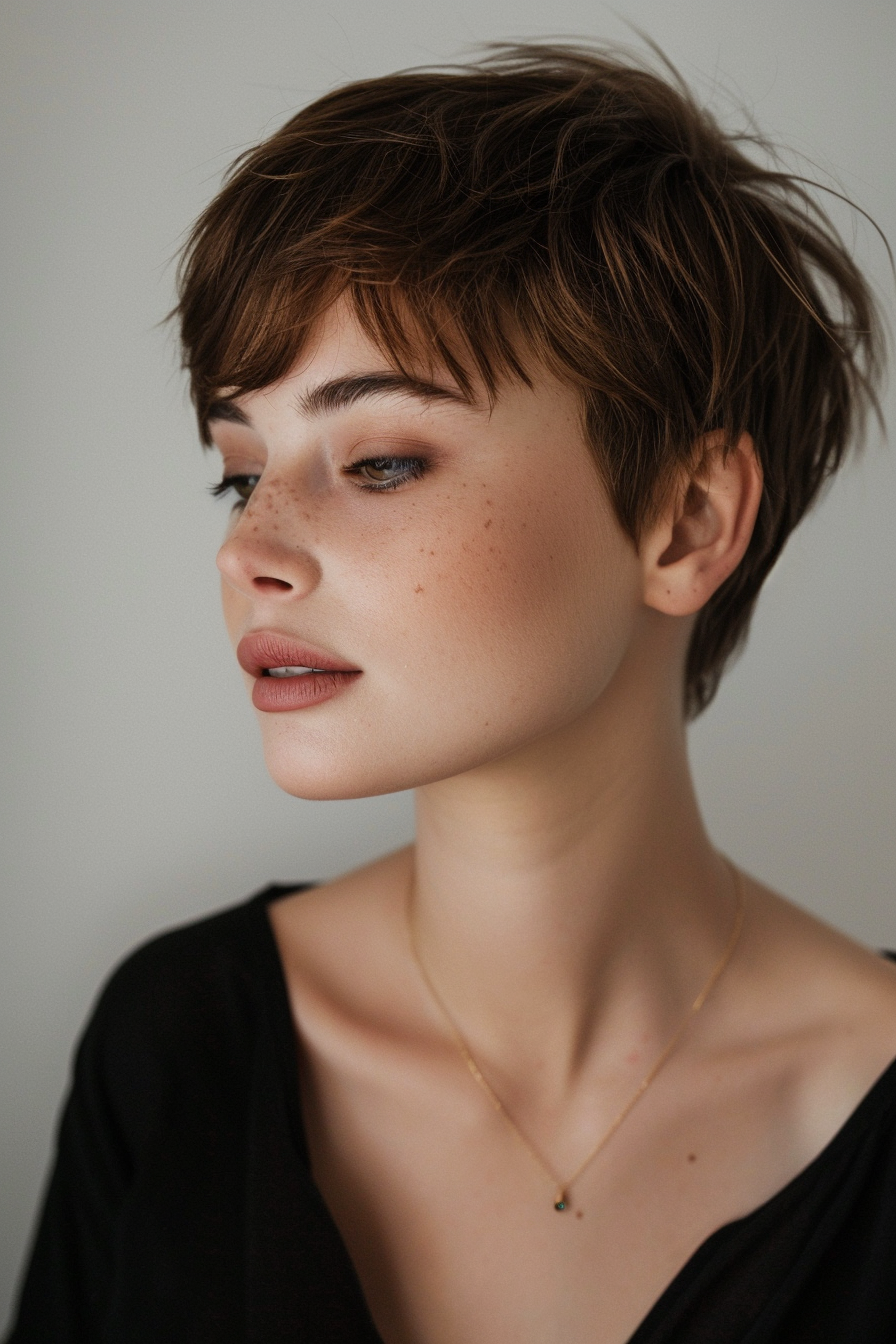
Micro-Layered Pixie
Very fine, subtle layers distributed throughout the hair. It suits most face shapes and is ideal for very fine hair.
1
2
3
4
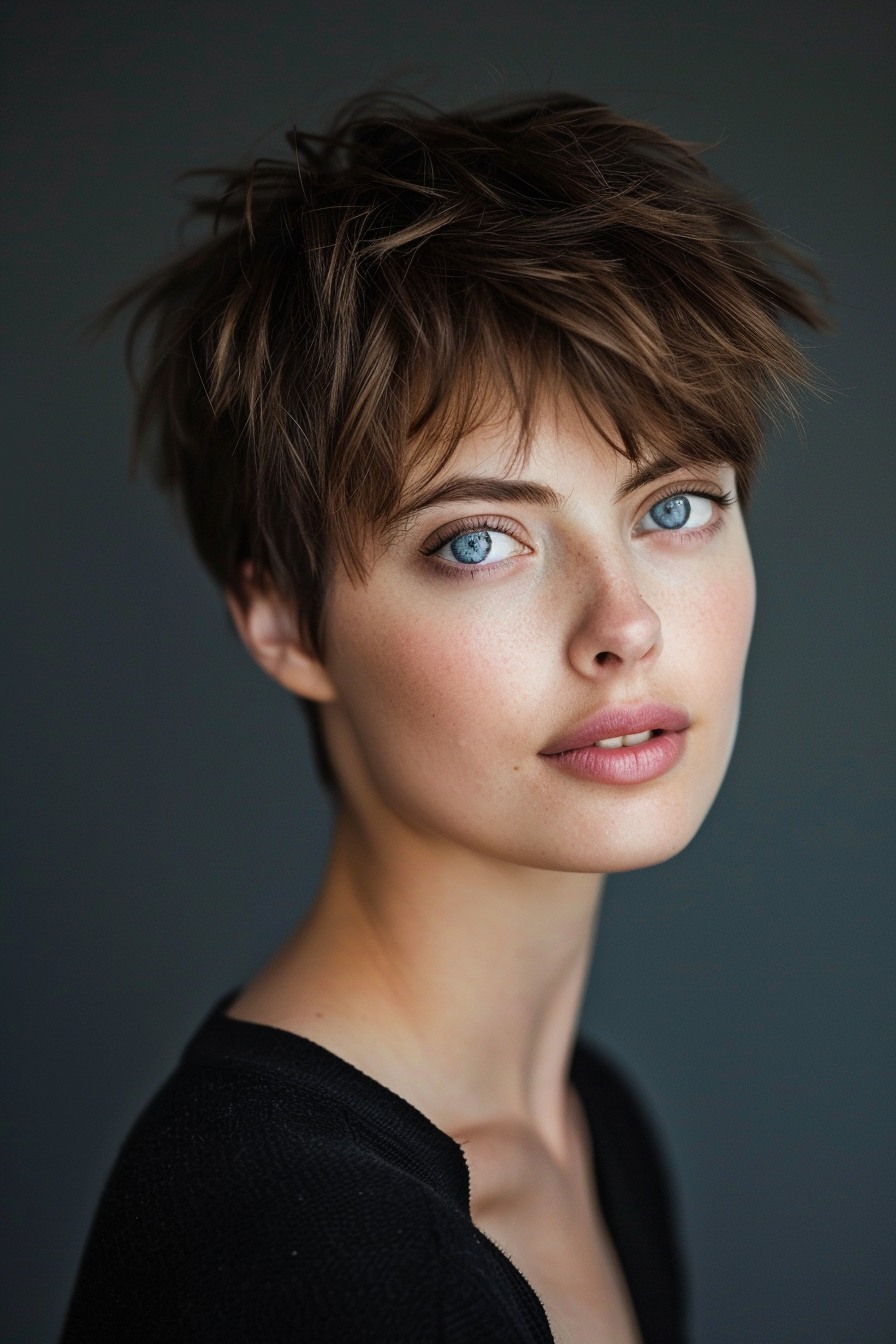
These micro-layers create internal texture without obvious separation. This builds quiet volume and prevents the hair from lying completely flat.
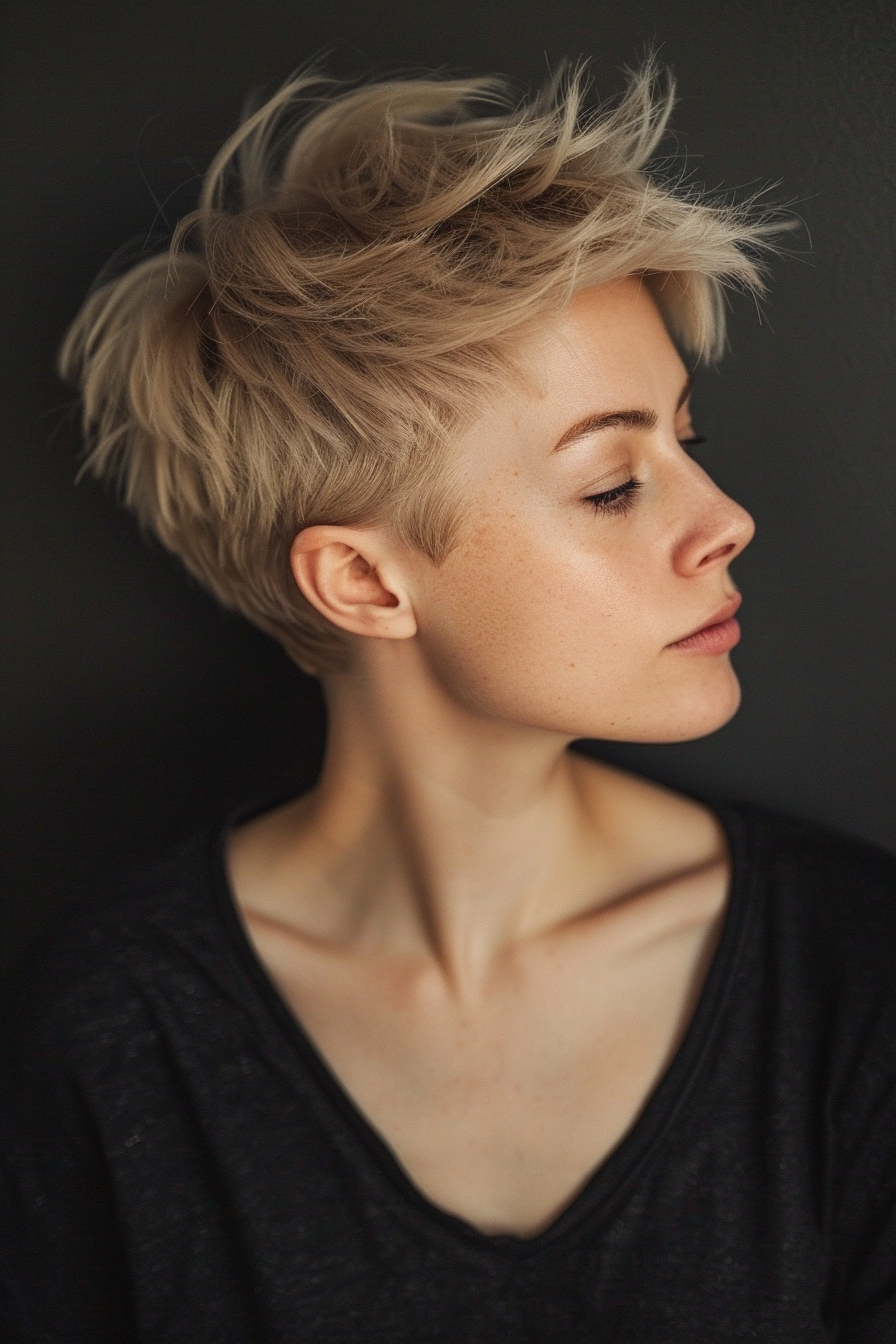
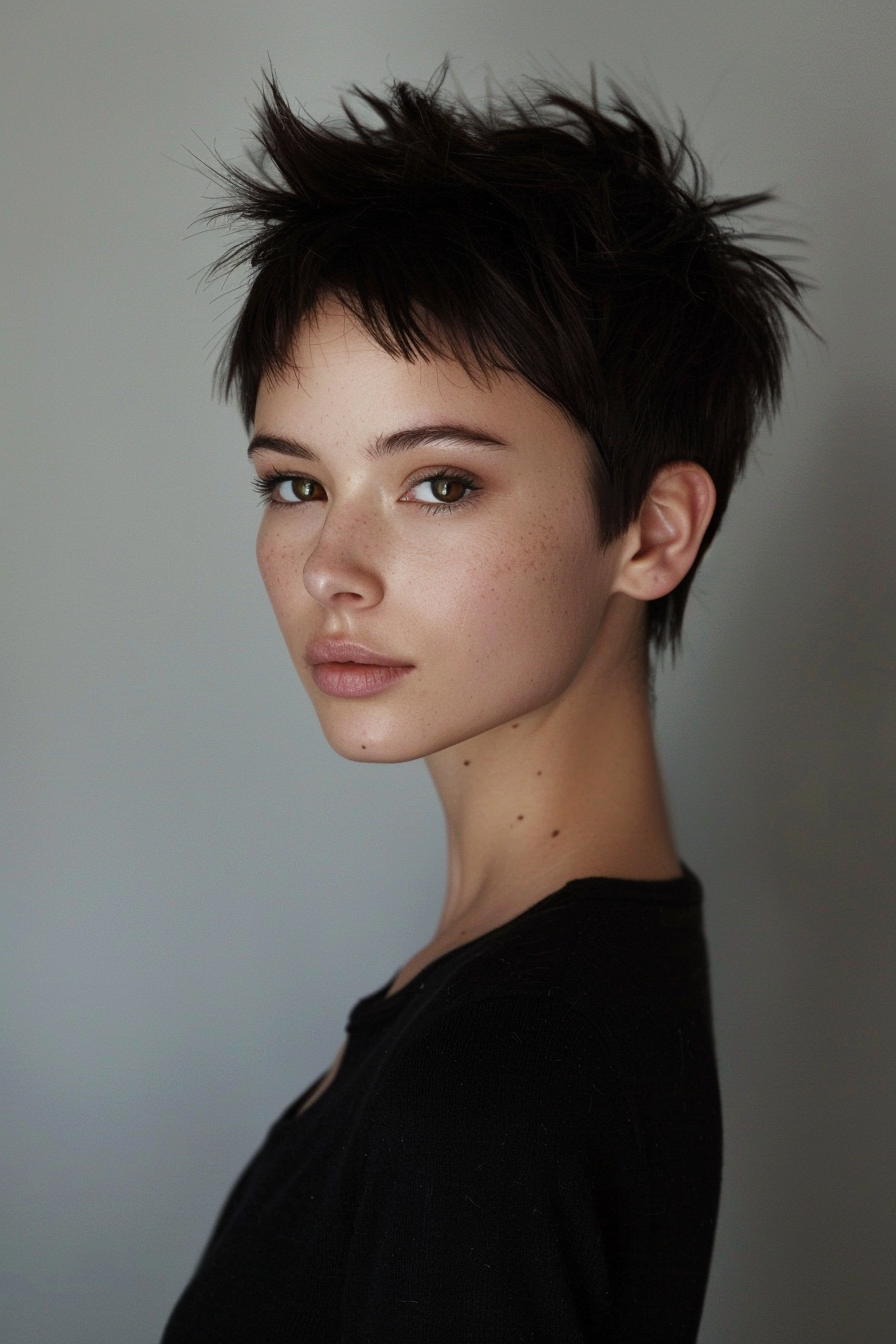
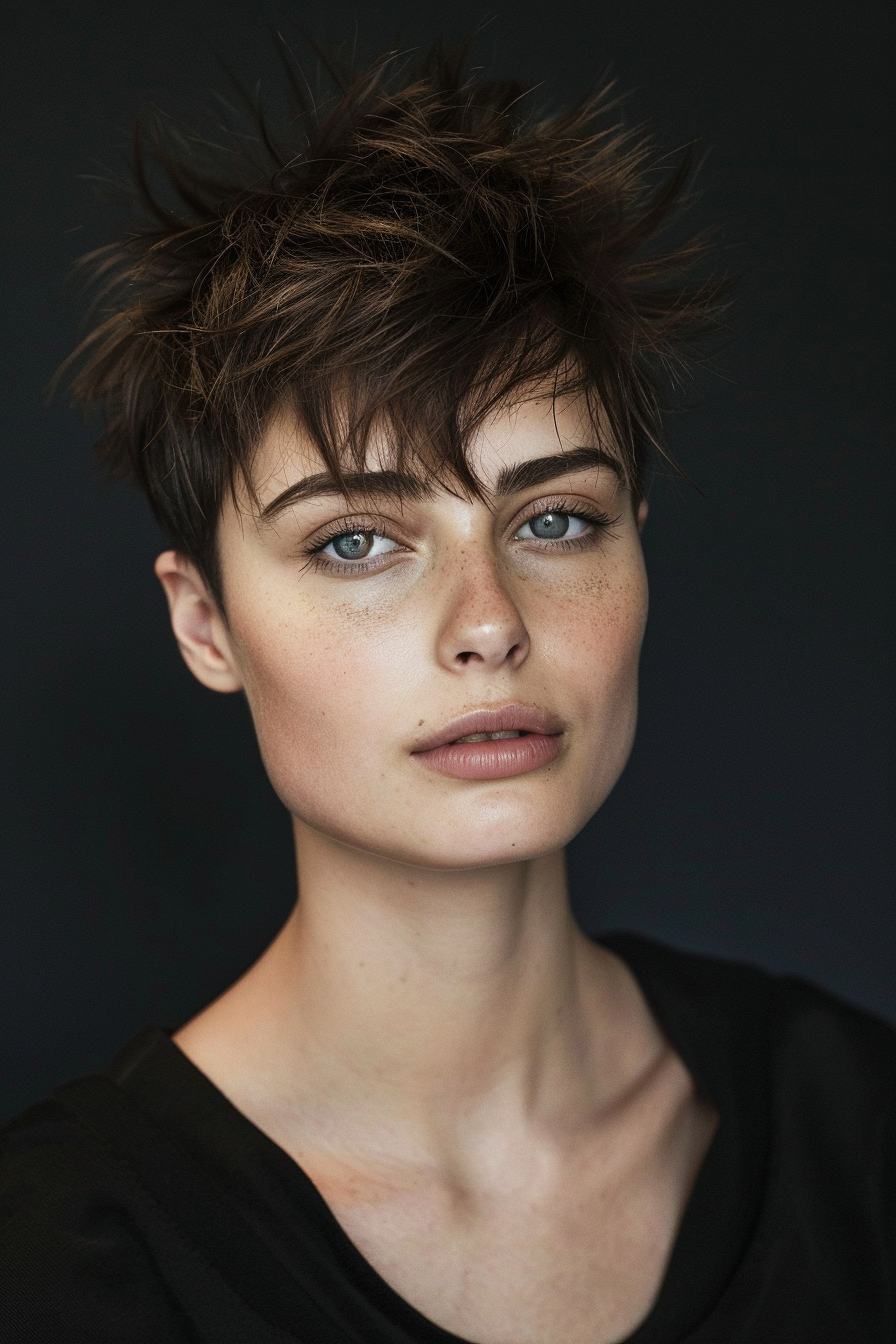
Spiky Pixie for Lift
Short layers styled upward for a slightly spiked effect. It suits oval and angular face shapes.
1
2
3
4
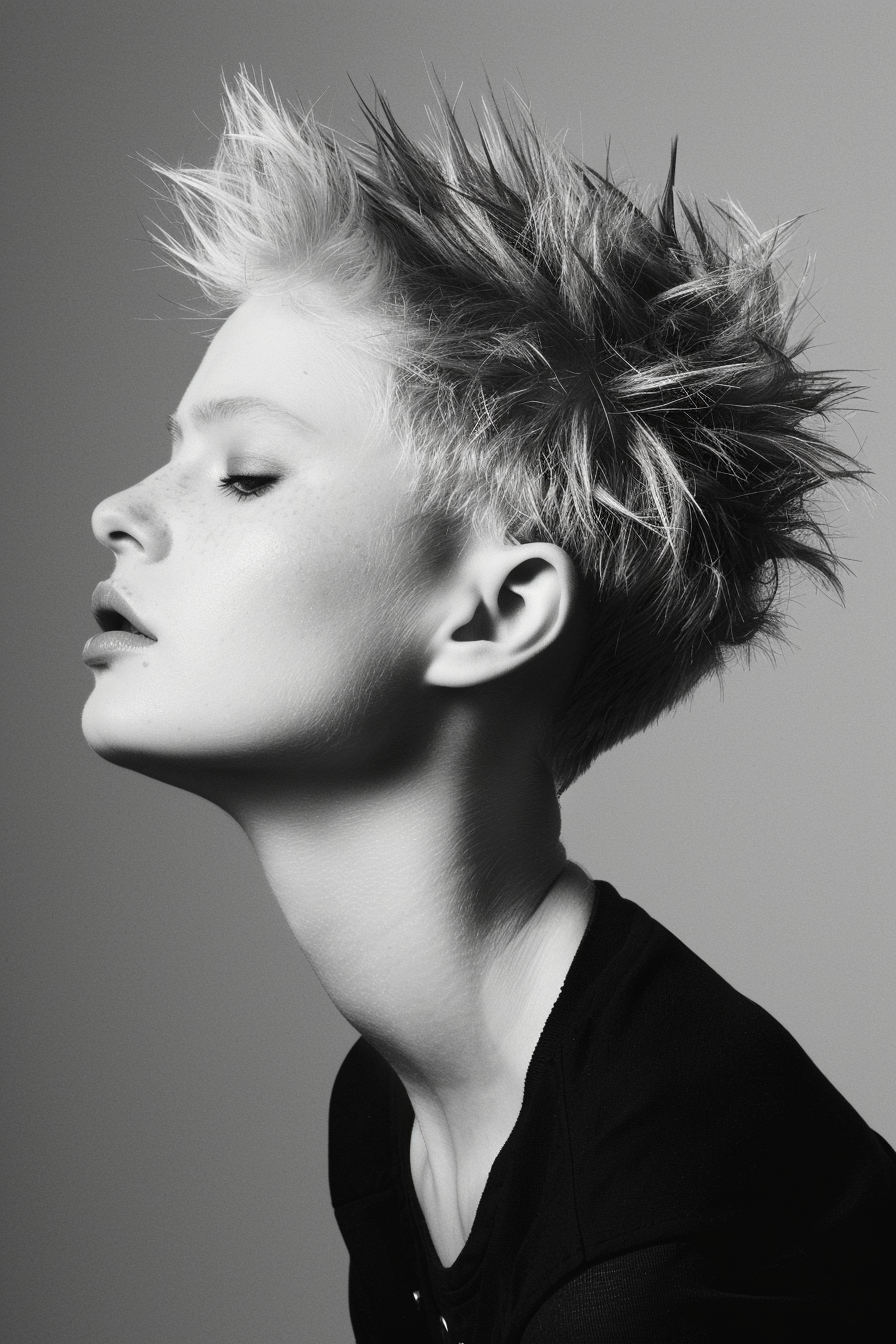
Styling the hair upward adds height instantly, which makes the hair look fuller. It’s a great option if you want a more defined, high-impact finish.
How to Style Short Pixie Haircuts for Fine Flat Hair
Use lightweight volumizing sprays or mousses at the roots. Blow-dry upward or against the natural growth direction to create lift. Avoid heavy oils or creams that weigh hair down. Use a small amount of wax or texturizing product to define layers and add separation. Regular trims are essential to maintain shape and volume.
Final Thoughts on Short Pixie Haircuts for Fine Flat Hair
Short pixie haircuts for fine, flat hair are one of the most effective ways to create volume without constant styling. They reshape the hair so it naturally looks fuller and more dynamic.
If you’re choosing a style, the key decision is simple: do you want soft, natural volume or a more defined, textured finish?
